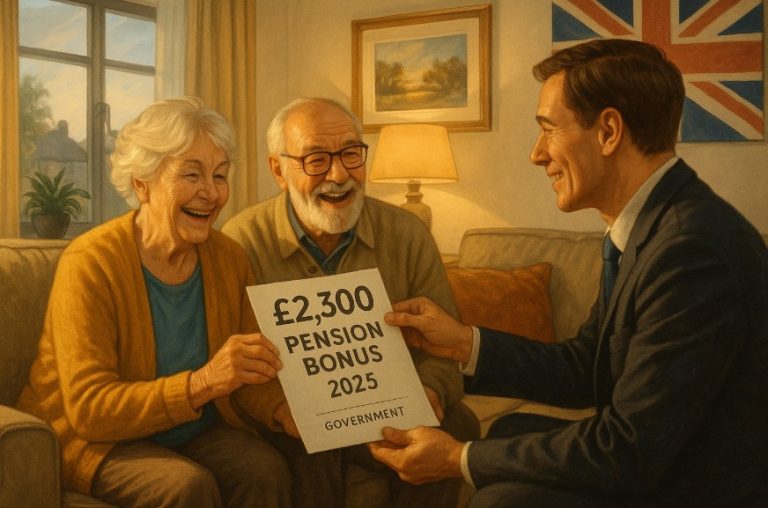
The “£600 cost of living payment” has sparked renewed interest across the UK as speculation grows around its continuation in 2025.
While social media and public discussions suggest another round of government support is on the horizon, the Department for Work and Pensions (DWP) has yet to release any official confirmation.
This article provides a clear and factual breakdown of what the £600 payment was, who received it, how it was paid, and whether similar support will be available for winter 2025.
What Is The £600 Cost Of Living Payment And How Was It Introduced?
The £600 cost of living payment refers to a financial support package introduced by the UK Government during the winters of 2022/23 and 2023/24.
It was not an entirely new scheme but rather an enhancement to the existing Winter Fuel Payment aimed at pensioners.
This temporary increase was a direct response to the rising cost of energy bills, food prices, and overall inflation that particularly impacted older citizens living on fixed incomes.
The government introduced the payment as part of its broader cost of living support measures, which included help for Universal Credit recipients, people with disabilities, and those on low incomes.
The total amount of £600 typically included:
- The standard Winter Fuel Payment, which ranged from £100 to £300 depending on age and circumstances
- An additional cost of living top-up of either £150 or £300
This combination aimed to help pensioners manage heating costs during peak winter months when household expenses tend to rise significantly.
Who Was Eligible For The £600 Cost Of Living Support?
Eligibility for the £600 cost of living payment depended on the claimant’s age, residency status, and their entitlement to the Winter Fuel Payment.
To receive the payment:
- Individuals needed to be born on or before 25 September 1957
- They must have lived in the UK during the qualifying week, typically a specific week in September each year
- They must have been entitled to a Winter Fuel Payment for that year
Some exclusions applied. People in hospital for over a year without interruption, those in prison, or individuals receiving long-term care in residential homes under certain benefits arrangements were often ineligible for the additional payment.
Below is a table summarising the eligibility requirements for the 2023/24 period:
| Criteria | Requirement Details |
| Age | Born on or before 25 September 1957 |
| Residency | Must have lived in the UK during the qualifying week |
| Benefit Entitlement | Eligible for Winter Fuel Payment |
| Exclusions | Certain care home residents, prisoners, long-term hospital stays |
Eligibility was automatically assessed by the Department for Work and Pensions (DWP) using existing benefit records, so most qualifying pensioners received the payment without needing to apply.
How Was The £600 Payment Delivered To Pensioners?
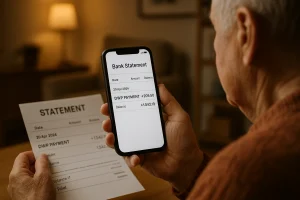
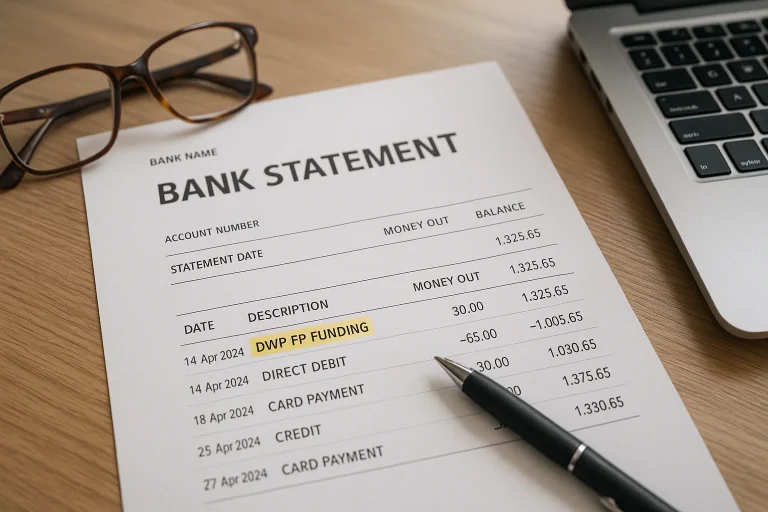
The Department for Work and Pensions (DWP) delivered the payment directly into the bank accounts of those who qualified.
It was structured to be part of the broader Winter Fuel Payment cycle and was not issued as a standalone payment.
The full amount appeared in one single transaction, even though it contained both the regular Winter Fuel Payment and the temporary cost of living top-up.
Payment references typically started with “DWP WFP” followed by the recipient’s National Insurance number.
Key details of the payment method include:
- Funds were deposited directly into bank accounts
- The payment window was usually between November and January
- Claimants were notified via post or text message
- No action was required for most recipients unless their details had changed
In cases where claimants had changed bank accounts, moved abroad, or had missing National Insurance details, delays could occur. Those who did not receive payment by January were encouraged to contact the Winter Fuel Payment helpline.
Why Was The £600 Support Payment Necessary?
The payment was part of the government’s wider strategy to respond to the cost of living crisis that intensified due to inflation, high energy prices, and economic fallout from global events. Pensioners were among the groups most affected by these rising costs.
The following factors contributed to the need for the additional support:
- Sharp increases in gas and electricity bills during winter
- High inflation, particularly in essentials such as food and fuel
- Fixed income levels among older citizens who rely primarily on State Pension
- Reports of pensioners facing fuel poverty or cutting back on heating
Many pensioners were forced to make difficult choices between heating their homes and paying for other essentials. The £600 support helped alleviate some of these pressures during the coldest months.
Is There A £600 Cost Of Living Payment Planned For 2025?
As of now, there has been no official announcement from the UK Government or the Department for Work and Pensions confirming the continuation of the £600 cost of living payment into the winter of 2025/26.
There has been considerable confusion due to outdated articles, social media posts, and speculation. However, the official Winter Fuel Payment guidance has not been updated to reflect any new cost of living top-up for 2025.
Key facts to note:
- The payment was specific to the economic conditions of 2022/23 and 2023/24
- No reference to a £600 payment has been made in the DWP’s 2025/26 winter benefit plans
- Pensioners will still receive the standard Winter Fuel Payment, but not the additional support unless new policies are introduced
It’s important for claimants to rely on official sources like GOV.UK and the DWP’s announcements for the latest updates and to ignore unverified claims spreading online.
What Other Government Support Options Are Available In 2025?

While the £600 cost of living payment is not expected to continue in 2025, the UK Government is still offering a variety of financial support schemes aimed at helping pensioners, low-income households, and vulnerable individuals cope with rising costs.
These support measures are designed to address energy bills, food insecurity, and general living expenses, particularly during the colder months.
Understanding what support is currently available can help individuals and families better plan for winter and avoid missing out on valuable help. Below is a detailed look at the most relevant schemes active in 2025.
Winter Fuel Payment
The Winter Fuel Payment remains one of the main government schemes available for older people. This is a tax-free annual payment provided to eligible individuals to help with heating costs during winter.
- Typically paid between November and January
- Amounts range from £100 to £300, depending on age and household circumstances
- Automatically paid to most people receiving State Pension or other qualifying benefits
- Those who are eligible but do not receive payments automatically can apply via GOV.UK
Although the £300 top-up that brought the total to £600 in previous years has been discontinued, the base Winter Fuel Payment still provides vital relief for energy bills during colder months.
Cold Weather Payment
The Cold Weather Payment is a targeted scheme that offers £25 for each 7-day period of extremely cold weather. It is activated when the average temperature in a given area is recorded or forecasted to be zero degrees Celsius or below for seven consecutive days.
Eligible individuals include:
- People receiving Pension Credit
- Those on Income Support, Income-based Jobseeker’s Allowance, or Income-related Employment and Support Allowance
- Certain Universal Credit claimants
This payment is automatic and only occurs during the coldest weeks of winter. It is especially useful for those who live in colder regions of the UK and are more likely to experience freezing temperatures.
Warm Home Discount Scheme
The Warm Home Discount Scheme offers a one-off rebate of £150 on electricity bills during the winter. The scheme is available to two groups:
- Core group 1: People who receive Pension Credit (Guarantee Credit element)
- Core group 2: Those on low incomes who meet their energy supplier’s criteria
The discount is applied automatically to electricity bills for most eligible pensioners. Others may need to apply directly through their energy supplier, depending on the supplier’s participation in the scheme.
Most major energy companies are part of the scheme, but it’s important to check whether your supplier offers the discount and how to claim it.
Household Support Fund (HSF)
The Household Support Fund is a local authority-administered scheme that provides emergency financial support for essential needs. The government has extended the fund into 2025 with a focus on supporting:
- Food and grocery costs
- Utility bills (heating, water, electricity)
- Clothing and household essentials
Each local council decides how to distribute the fund, and eligibility criteria may differ from one area to another. Some councils provide food vouchers, emergency grants, or help with energy prepayment meters.
To apply, individuals should visit their local council’s website or contact their community support office. This fund is particularly useful for households experiencing sudden financial hardship or unexpected expenses.
Pension Credit
Pension Credit is a means-tested benefit for people over State Pension age who are on low incomes. It is made up of two parts:
- Guarantee Credit: Tops up your weekly income to a minimum threshold
- Savings Credit: A small additional payment for those who have some savings or income from a private pension
Many pensioners do not claim Pension Credit because they mistakenly believe they are not eligible. However, even a small amount of extra income or savings does not necessarily disqualify someone from receiving it.
Claiming Pension Credit can also unlock eligibility for other benefits, including:
- Free TV licence for over-75s
- Cold Weather Payments
- Housing Benefit
- Council Tax Reduction
It can be applied for online, by post, or by calling the Pension Credit claim line.
Summary Table Of 2025 Support Options
| Support Scheme | What It Helps With | How To Access | Notes |
| Winter Fuel Payment | Heating bills for pensioners | Automatic or apply on GOV.UK | £100–£300 depending on age and household |
| Cold Weather Payment | Freezing weather conditions | Automatically paid if eligible | £25 per week during qualifying cold spells |
| Warm Home Discount Scheme | Electricity bill reduction | Auto-applied or apply through supplier | £150 discount, varies by energy supplier |
| Household Support Fund | Emergency food, energy, and essentials | Local council website or support team | One-off help; criteria vary by council |
| Pension Credit | Low-income pensioner top-up | GOV.UK, phone, or post | Can unlock access to several other benefits |
How Can The Public Stay Informed About DWP Payments?
Given the volume of misinformation online, especially during high-pressure financial periods, it’s critical for UK residents to stay informed using reliable and official sources.
Here are a few trusted methods to stay updated:
- Check the GOV.UK website regularly for DWP announcements
- Follow the DWP on official social media platforms like X (formerly Twitter)
- Sign up for email alerts from government websites regarding benefits
- Use the Winter Fuel Payment and Pension Credit eligibility calculators
- Visit your local council website for Household Support Fund updates
For additional guidance, trusted organisations like Citizens Advice, Age UK, and Turn2Us provide support with applications, eligibility checks, and appeals.
How Does This Affect Low-Income Pensioners Going Into Winter 2025?

Without the additional £600 support, many low-income pensioners may face tighter budgets as energy and living costs continue to rise.
While standard support like the Winter Fuel Payment remains in place, it may not fully cover increased winter expenses.
This means pensioners should:
- Plan and budget heating costs ahead of time
- Explore all eligible support schemes through local councils and energy providers
- Seek advice from charities offering fuel poverty assistance
- Use smart meters or energy-saving measures to manage consumption
The absence of new cost of living payments makes it essential for vulnerable groups to be proactive in seeking alternative help and using every available resource for financial stability.
Conclusion
While the £600 cost of living payment provided much-needed relief during the previous winters, there is no official confirmation that it will return in 2025.
Rumours and speculation can be misleading, and it’s essential for pensioners and other vulnerable individuals to rely on official DWP and government resources.
Although the top-up may not continue, several other support schemes are in place to help eligible UK residents navigate the ongoing cost of living challenges.
Frequently Asked Questions
What was the £600 cost of living payment made up of?
The £600 consisted of the regular Winter Fuel Payment and an additional one-off cost of living top-up of up to £300.
Did everyone on a state pension receive the £600?
No. Only those who were eligible for the Winter Fuel Payment based on age and residency received the full amount. Some received less depending on their circumstances.
Will there be a cost of living payment for people on Universal Credit in 2025?
As of now, the government has not announced any cost of living payments for Universal Credit claimants in 2025. This may change depending on economic conditions.
Can I still apply for the Winter Fuel Payment if I haven’t received it?
Yes, if you believe you’re eligible but haven’t received it, you can contact the Winter Fuel Payment Centre or apply online through GOV.UK.
Is the Household Support Fund still available in 2025?
Yes, the Household Support Fund continues into 2025 and is distributed by local councils. Availability and criteria may vary by region.
Why do some people get less than £600?
The actual amount depends on your age, household circumstances, and whether you live in a care home. Some received £500, £250, or other lower amounts.
How can I verify if a cost of living payment is real?
Always check announcements on GOV.UK or from trusted organisations like the DWP. Avoid acting on social media rumours without verification.