The rising cost of living has prompted the UK Government to provide targeted financial assistance to millions of households. As part of this support, a second cost of living payment is being rolled out in autumn 2023.
Worth £300, this payment aims to help eligible individuals on means-tested benefits cope with everyday expenses.
Understanding who qualifies, when the payment will be made, and how it will be delivered is essential for those relying on this vital financial support.
What Are The 2023 To 2024 Cost Of Living Payments?
The UK Government introduced a set of cost of living payments as a targeted response to rising inflation and financial pressure on low-income households.
These payments are part of a support package designed to help those receiving means-tested benefits.
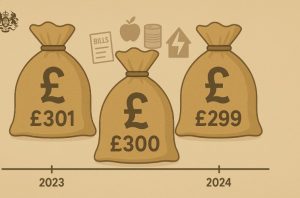
For the financial year 2023 to 2024, three payments are being made, amounting to a total of up to £900 per eligible household.
The £300 second payment is the focus of this phase and will be made to those who qualify during a specific benefit assessment period.
This initiative builds on previous support schemes and forms part of a wider package of financial relief, averaging £3,300 per household across two years.
The government aims to provide aid to those who are most vulnerable to economic challenges.
The payments are issued in distinct amounts to simplify tracking and verification. This also assists with fraud prevention, ensuring only eligible households receive support.
Each of the three cost of living payments is linked to its own qualifying period to confirm eligibility.
When Will The Second Cost Of Living Payment Be Made?
The Department for Work and Pensions (DWP) and HM Revenue and Customs (HMRC) have set clear timelines for the second cost of living payment.
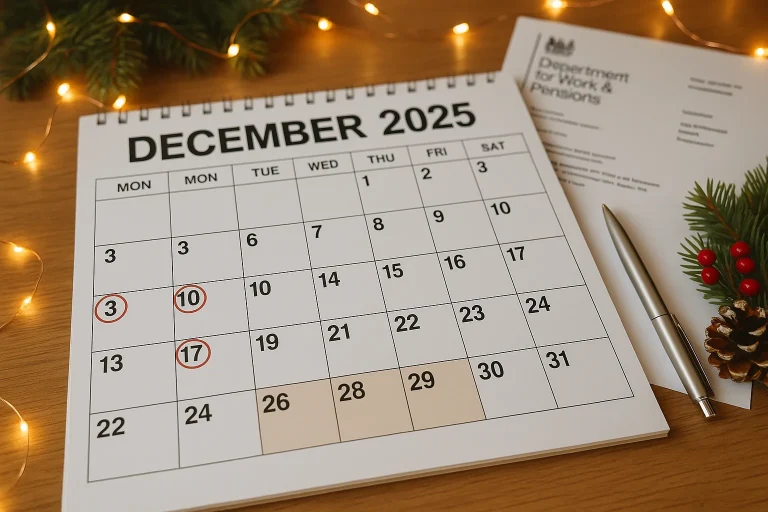
For DWP recipients, the payment will be issued between 31 October and 19 November 2023. This group includes those who receive the following benefits:
- Universal Credit
- Income-based Jobseeker’s Allowance (JSA)
- Income-related Employment and Support Allowance (ESA)
- Income Support
- Pension Credit
For individuals who only receive Working Tax Credit or Child Tax Credit and do not qualify for a DWP payment, HMRC will handle the payment distribution. These payments will be made between 10 November and 19 November 2023.
To qualify, recipients must have received a payment for a relevant benefit or tax credit between 18 August 2023 and 17 September 2023.
The timing of this window is important, as it determines who will receive the second instalment.
For Universal Credit, the assessment period must end within the specified dates. For other benefits, at least one day of entitlement during this window is required. For tax credit recipients, any day of entitlement within the period qualifies.
Who Is Eligible For The Second Cost Of Living Payment?
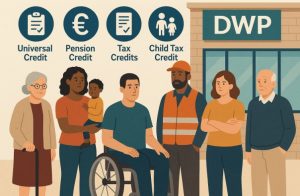
Eligibility is based on receipt of one or more means-tested benefits during the qualifying period. The following benefits are considered for eligibility:
- Universal Credit
- Income-based Jobseeker’s Allowance
- Income-related Employment and Support Allowance
- Income Support
- Pension Credit
- Working Tax Credit
- Child Tax Credit
In addition, those who were later found to be eligible for any of the above benefits due to backdated claims may also receive the £300 payment.
It is worth noting that those who are entitled to a benefit but receive less than 10 pence due to income deductions may still qualify, as long as they meet all other eligibility criteria.
For joint claims, payments are generally made to the account associated with the Child Tax Credit.
Claimants must have been entitled to a benefit payment within the qualifying dates. Late payments or changes to entitlement may affect eligibility.
Those receiving both DWP benefits and tax credits will receive payment from DWP only.
How Will The Cost Of Living Payment Be Delivered?
The payment will be made automatically into the bank account where the eligible person receives their benefit payments. There is no requirement to apply or contact DWP or HMRC.
Each payment will appear in the bank statement with a specific reference:
- DWP payments will show the claimant’s National Insurance Number followed by “DWP COL”
- HMRC payments will include “HMRC COLS” after the National Insurance Number
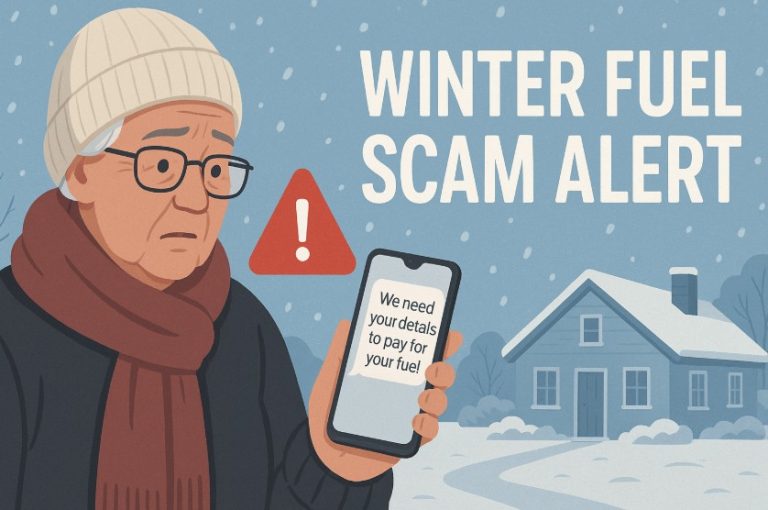
These identifiers help recipients recognise the payment and avoid confusion. The government advises recipients to avoid responding to unsolicited texts, calls, or emails asking for personal or financial information. Any such communication should be reported as a potential scam.
This automatic process ensures the security and efficiency of distribution, reducing the burden on benefit claimants and minimising delays.
What Is The Regional Breakdown Of Households Receiving The Payment?
The £300 second cost of living payment has reached millions of households across the United Kingdom, with the distribution reflecting the regional needs and the varying levels of benefit claims across the country.
The government has provided detailed estimates of the number of households eligible for the payment, both by region, local authority, and parliamentary constituency. These figures help demonstrate how the cost of living crisis has impacted different parts of the UK and how the support is being allocated accordingly.
National And Regional Breakdown
The first level of distribution highlights the concentration of eligible households across major UK regions. Unsurprisingly, regions with higher population densities, such as London and the North West, represent the largest shares of payments.
Estimated Number of Households Eligible for the Means-Tested Benefit Cost of Living Payment by Region
| Region | Households (Thousands) | Proportion of All Payments |
| London | 1,187 | 15% |
| North West | 1,033 | 13% |
| West Midlands | 783 | 10% |
| South East | 830 | 10% |
| Yorkshire and The Humber | 713 | 9% |
| Scotland | 686 | 8% |
| Eastern | 615 | 8% |
| Wales | 422 | 5% |
| North East | 395 | 5% |
| South West | 567 | 7% |
| Northern Ireland | 321 | 4% |
| East Midlands | 545 | 7% |
| Total | 8,097 | 100% |
These figures show that the bulk of cost of living payments are concentrated in England, with particularly high numbers in London and the North West. However, every region across the UK benefits from this payment scheme, highlighting its national scope and reach.
Local Authority Distribution
Beyond the regional view, the UK Government also published estimates for every local authority. This data offers a granular look into which towns, cities, and rural communities have the highest volume of eligible households.
Some of the most notable figures include:
- Birmingham: 208,800 households
- Leeds: 99,800 households
- Manchester: 97,100 households
- Glasgow City: 109,200 households
- Bradford: 91,500 households
- Liverpool: 88,900 households
- Newham (London): 58,900 households
- Sheffield: 74,100 households
- Sandwell: 58,200 households
- Leicester: 58,000 households
These numbers suggest that urban centres and areas with higher levels of economic deprivation are receiving a substantial share of the payments.
For instance, cities like Birmingham, Manchester, and Liverpool alone account for hundreds of thousands of households needing financial support through this scheme.
Rural regions and smaller districts are also covered, though the numbers are understandably lower. Some examples include:
- City of London: 600 households
- Isles of Scilly: 100 households
- Orkney Islands: 1,900 households
- Rutland: 2,500 households
- Na h-Eileanan Siar (Outer Hebrides): 2,900 households
Parliamentary Constituency Distribution
The most detailed layer of analysis comes from the estimated number of households eligible in each UK parliamentary constituency.
This level of transparency allows elected officials, local authorities, and community organisations to understand the demand for support within their own constituencies.
Some of the highest constituency-level counts include:
- Birmingham, Ladywood: 32,100 households
- Belfast West: 28,300 households
- Manchester Central: 27,200 households
- Hackney North and Stoke Newington: 25,700 households
- Bradford West: 25,700 households
- Tower Hamlets (Poplar and Limehouse): 26,500 households
- Tottenham: 30,700 households
- Birmingham, Hodge Hill: 29,900 households
Meanwhile, more affluent or rural constituencies such as Richmond Park, Henley, and Winchester recorded fewer eligible households, typically ranging from 5,000 to 8,000.
This constituency-level information is particularly useful for stakeholders aiming to ensure that all qualifying households are aware of and receive the payments they are entitled to. It also helps inform future policy design and resource distribution at a local level.
Key Insights From The Data
From the regional to constituency levels, a few clear trends emerge:
- Urban Concentration: The majority of eligible households are concentrated in metropolitan areas with higher populations and greater economic diversity.
- Regional Variance: London and the North West dominate the payment distribution, but significant numbers are also found across Scotland, Wales, and Northern Ireland.
- Smaller Local Authorities: Even in the smallest communities, the cost of living payment has reached eligible households, reinforcing the inclusive nature of the scheme.
This detailed mapping of support helps ensure accountability and equity in how the government responds to financial need across the UK. It also highlights how widespread economic hardship remains, despite regional differences in population size and income.
How Many People Will Get The Cost Of Living Second Payment?

The Department for Work and Pensions will distribute the second payment to more than seven million households across the UK.
An additional 830,000 households will receive payments from HMRC, bringing the total number of recipients to approximately eight million.
This includes individuals who qualify through Pension Credit, Universal Credit, and Tax Credits.
The number of payments issued by HMRC has decreased compared to the 2022 to 2023 period, reflecting a shift in claimants from tax credits to Universal Credit.
The government has designed the delivery schedule in such a way that each payment amount and timeline corresponds to a unique qualifying window.
This ensures each recipient’s eligibility is assessed independently, minimising errors and fraud.
What Should People Do If They Haven’t Received The Payment?
For those who are eligible and have not received the £300 payment by 20 November 2023, the government recommends the following actions:
- Review bank statements for the correct reference (DWP COL or HMRC COLS)
- Confirm that eligibility criteria were met during the qualifying period
- Wait until the full payment window closes before contacting DWP or HMRC
Payments are made in batches, and delays can occur due to bank processing times. Contacting departments before the end of the payment window is discouraged, as the payment may still be in progress.
Will Receiving This Payment Affect Benefits Or Taxes?
The £300 cost of living payment is structured to avoid interference with other benefits. It is not taxable, does not count toward the benefit cap, and has no impact on existing benefit entitlements.
This makes it a straightforward financial boost for households without the risk of adjustments to regular support.
Claimants do not need to declare this payment, and it will not be taken into account when calculating income for other benefits. This design ensures that the full value of the payment reaches those who need it most.
What Other Support Is Available Alongside This Payment?

The cost of living payment is part of a wider suite of financial assistance options aimed at helping UK households manage rising costs. Additional support includes:
- A further £300 Winter Fuel Payment for eligible pensioner households, expected later in the year
- Access to the Household Support Fund, with £842 million allocated to councils in England
- Local authority schemes for energy bills, food vouchers, and other essentials
- Jobcentre Plus support, including training and employment opportunities
Low-income pensioners not already claiming Pension Credit are encouraged to check their eligibility, as they may qualify for both the current payment and future instalments.
Due to backdating rules, applications submitted now could still result in eligibility for the second and upcoming third cost of living payments.
The government aims to ensure that vulnerable households are protected from the full impact of inflation and economic instability through these overlapping layers of support.
Table 2: Summary Of Cost Of Living Payments
| Payment Installment | Value | Distribution Dates | Responsible Agency |
| First Payment | £301 | Spring 2023 | DWP / HMRC |
| Second Payment | £300 | 31 Oct – 19 Nov (DWP), 10–19 Nov (HMRC) | DWP / HMRC |
| Third Payment | £299 | Spring 2024 (Date TBA) | DWP / HMRC |
These three payments make up the £900 total and are aligned with distinct assessment periods. Each payment is calculated and distributed independently based on eligibility during its respective window.
Conclusion
The £300 second cost of living payment offers crucial relief to over eight million UK households facing financial pressure.
Delivered automatically through DWP or HMRC, it supports those receiving specific benefits during the qualifying period.
With no application required and no impact on existing benefits, the payment is designed for simplicity and accessibility.
Individuals are also encouraged to explore additional support, such as the Winter Fuel Payment and local authority schemes, to further ease the burden of rising living costs.
Frequently Asked Questions
How much is the second cost of living payment worth?
The second payment is £300, forming part of a total £900 package for the 2023 to 2024 financial year.
Will I get the payment if I’m on Working Tax Credit only?
Yes, if you’re eligible during the qualifying period, HMRC will issue the payment between 10 and 19 November 2023.
What’s the qualifying period for the second cost of living payment?
You must have received a qualifying benefit or tax credit between 18 August and 17 September 2023.
Can I receive the payment if I didn’t get the first one?
Yes. Each payment has separate eligibility criteria. Meeting them for the second payment makes you eligible, even if you missed the first.
What if I share a household with another benefits recipient?
The payment is usually made per individual or household depending on how benefits are claimed. For joint claims, it typically goes to the bank account associated with the primary benefit.
Do I need to report this payment to HMRC or DWP?
No. The payment is automatic, and you do not need to report it or take any action unless you have not received it after the payment window.
Is this payment affected by my earnings or income?
No. The payment is not means-tested based on income beyond the qualifying benefit eligibility.