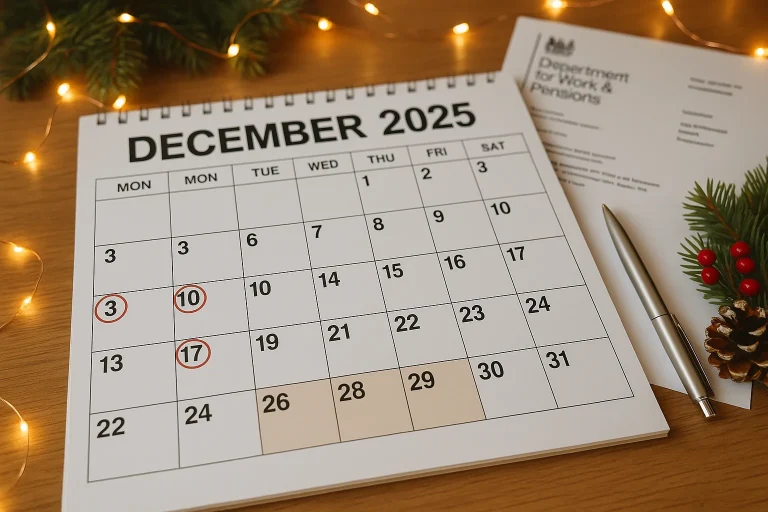
The DWP Winter Subsidy, formally known as the Winter Fuel Payment, is a government-funded initiative designed to help eligible UK residents manage heating costs during the colder months.
As energy prices continue to place financial pressure on households, this subsidy acts as a critical safety net for older and vulnerable populations.
What Is The DWP Winter Subsidy And How Does It Support UK Residents?
The DWP Winter Subsidy, officially referred to as the Winter Fuel Payment, is designed to help eligible individuals manage their heating costs during the colder months of the year. This financial support, ranging from £100 to £300, is tax-free and does not impact any other benefits a person may receive.
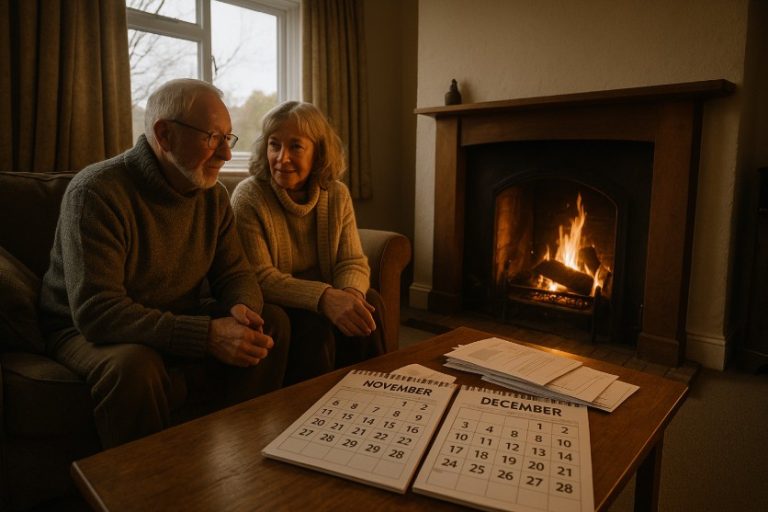
The payment is typically made between November and December to assist with winter energy bills. Most eligible individuals receive this support automatically, and the amount depends on their age and living arrangements.
The scheme applies to residents in England and Wales. While Scotland and Northern Ireland administer their own winter heating support programs, the eligibility rules for Northern Ireland remain consistent with those in England and Wales.
This subsidy works alongside other government schemes such as the Cold Weather Payment, Warm Home Discount, and Household Support Fund, offering multiple layers of protection to households during periods of low temperatures and high energy usage.
Who Is Eligible For The DWP Winter Subsidy In 2025?
Eligibility for the 2025 Winter Fuel Payment is primarily based on age and residency during a specific week in September. An individual must have been born before 22 September 1959 to be considered.
They must also be living in the UK, specifically in England or Wales, during the qualifying week from 15 to 21 September 2025.
People who meet these conditions usually receive the payment automatically. However, there are a few exceptions where individuals may not qualify, such as:
- If they were in hospital receiving free treatment for the entire qualifying week
- If they were in prison throughout that period
- If their immigration status restricts access to public funds
- If they lived in a care home for the full period since 23 June 2025 and received certain income-related benefits
Residents in Scotland cannot receive the Winter Fuel Payment but may be eligible for the Pension Age Winter Heating Payment, which serves a similar purpose under devolved administration.
Northern Ireland residents may qualify for the same Winter Fuel Payment under separate administration, but the eligibility requirements mirror those in England and Wales.
When And How Much Will You Receive From The Winter Fuel Payment?
The Department for Work and Pensions (DWP) sends out letters between October and November to inform eligible individuals of the amount they will receive. Payments are typically issued in November or December and are made directly into the recipient’s bank or building society account.
The amount varies based on several factors, including age, living arrangement, and whether the person is claiming certain benefits. A key factor is whether an individual lives alone or with another eligible person.
Below is a table showing standard payment amounts based on age and living situation.
Standard Payment Breakdown
| Circumstance | Born Between 22 Sept 1945 and 21 Sept 1959 | Born Before 22 Sept 1945 |
| Lives Alone | £200 | £300 |
| Lives With Another Eligible Person (No Benefits) | £100 | £150 |
| Lives In A Care Home | £100 | £150 |
If an individual’s total income exceeds £35,000, the HMRC will reclaim the subsidy through either an adjustment to their tax code in the 2026 to 2027 tax year or by adding the amount to their 2025 to 2026 Self Assessment tax return.
This prevents higher-income households from benefiting from subsidies aimed at those in greater financial need.
What If You Live With Someone Who Is Also Eligible?
Living with another person who also qualifies for the DWP Winter Subsidy affects how much you receive.
The Department for Work and Pensions (DWP) adjusts payments in such cases to reflect the fact that heating costs are typically shared within a household.
The intention is to provide fair financial assistance without duplicating support for the same expense.
Eligibility can overlap in a household, especially in cases where both residents are of pension age.
However, the specific payment structure depends on whether the household members are receiving benefits and how those benefits are claimed.
Key Scenarios to Consider
There are several different living arrangements that impact how payments are calculated:
1. Both Individuals Are Eligible But Do Not Receive Certain Benefits
If two people living in the same household meet the age and residency criteria but do not receive income-related benefits, they will each receive a reduced payment.
This is because it is assumed they share the cost of heating, so the subsidy is divided between them.
For example:
- If both were born between 22 September 1945 and 21 September 1959, each person would receive £100.
- If both were born before 22 September 1945, each would receive £150.
This arrangement ensures that the total amount allocated for that household is roughly the same as what one person living alone would receive, maintaining consistency across different household types.
2. One or Both Individuals Receive an Income-Related Benefit as a Joint Claim
If both individuals live together and receive a qualifying benefit jointly, such as Pension Credit or Universal Credit, then only one payment is made to the household.
In this case:
- One person will receive £200 if they were born between 22 September 1945 and 21 September 1959.
- One person will receive £300 if they were born before 22 September 1945.
The payment is issued to the person who is the main claimant of the joint benefit and will be paid into the same account the benefit is usually deposited into.
This approach avoids duplicate payments while ensuring the household still receives the appropriate level of support for shared energy costs.
3. Only One Person Is Eligible
In situations where only one person in the household meets the eligibility criteria (for example, because the other person is younger or is not a UK resident), the eligible person may still receive the full individual amount.
- If living with someone ineligible and born between 22 September 1945 and 21 September 1959, the payment is £200.
- If born before 22 September 1945, the payment is £300.
This ensures that eligible individuals are not penalised for sharing a home with someone who does not meet the criteria.
4. Mixed Eligibility and Age Combinations
Where two people are eligible but fall into different age brackets, the payment is calculated accordingly. The amount varies depending on who is older and which benefits, if any, are being claimed.
Example situations:
- If you were born between 22 September 1945 and 21 September 1959 and live with someone born before 22 September 1945 (both eligible and not claiming benefits), you would receive £100, and they would receive £150.
- If both are eligible and one receives an income-related benefit (not jointly), then each may receive the full individual rate depending on their date of birth.
These examples highlight the nuanced nature of payment allocations and show the importance of reporting accurate household circumstances to the DWP.
5. Changes in Household Composition
If the makeup of a household changes during or after the qualifying week (15–21 September 2025), this could affect the payment.
For example, if a partner becomes eligible or moves in or out of the property, or if benefits are started or stopped, this must be reported as it may change how the payment is calculated.
Failing to update the DWP about such changes can lead to incorrect payments or overpayments, which might need to be repaid later.
Summary Table: Shared Eligibility Scenarios
| Household Situation | Age & Benefit Status | Payment Amount |
| Both eligible, no benefits | Both born between 22 Sept 1945 – 21 Sept 1959 | £100 each |
| Both eligible, no benefits | Both born before 22 Sept 1945 | £150 each |
| Both eligible, claiming benefits jointly | Born between 22 Sept 1945 – 21 Sept 1959 | £200 to one person |
| Both eligible, claiming benefits jointly | Born before 22 Sept 1945 | £300 to one person |
| One eligible, living with someone ineligible | Based on eligible person’s DOB | £200 or £300 |
Key Takeaways
- Payments are adjusted when two or more eligible individuals live in the same household.
- The presence of income-related benefits plays a significant role in determining whether the payment is made individually or jointly.
- All household circumstances during the qualifying week must be accurately reported.
- If household members receive separate benefits individually, they may receive separate payments.
- Payment differences ensure fairness in how the subsidy is distributed based on shared energy usage.
Understanding how shared eligibility works helps avoid confusion and ensures recipients receive the correct entitlement.
Those unsure of their situation should contact the Winter Fuel Payment Centre for clarification or wait for the letter issued by DWP in October or November outlining their specific payment amount.
Are Care Home Residents Entitled To The DWP Winter Subsidy?
Care home residents can qualify for the Winter Fuel Payment, but additional rules apply. Individuals must not be receiving certain income-related benefits such as Pension Credit, Universal Credit, Income-based Jobseeker’s Allowance, Income-related Employment and Support Allowance, or Income Support.
If a person lives in a care home and receives any of these benefits, they are not eligible for the payment.
If eligible, care home residents will receive reduced amounts compared to those living independently:
- £100 if born between 22 September 1945 and 21 September 1959
- £150 if born before 22 September 1945
These lower amounts reflect the assumption that heating costs in care homes are included in the overall care arrangements.
Do You Need To Claim The Winter Fuel Payment Or Is It Automatic?
For most individuals, especially those already receiving the State Pension or other qualifying benefits, the Winter Fuel Payment is processed automatically. They will be notified by post in October or November.
However, a manual claim is required in some cases. These include:
- Individuals who have never received the Winter Fuel Payment before
- Those who have deferred their State Pension and did not receive the payment during a previous winter
If either of these scenarios applies, the individual will need to submit a claim by the deadline of 31 March 2026.
How Can You Claim The DWP Winter Subsidy In 2025?
There are two primary ways to submit a claim: by post or by phone.
Postal claims are accepted from 15 September 2025, while phone applications open from 13 October 2025.
To apply by phone, individuals can call:
- Telephone: 0800 731 0160
- Textphone: 18001 then 0800 731 0160
Before calling, it is helpful to have the following details available:
- National Insurance number
- Bank or building society details
- Date of birth
- Marital or civil partnership date (if applicable)
- Details of any hospital, prison, or care home stays during the qualifying week
Payments cannot be made to National Savings and Investments accounts unless the person already receives other benefits into that account.
What Happens If You Want To Opt Out Of The Winter Fuel Payment?
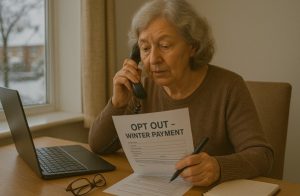
There is an option for individuals to decline the Winter Fuel Payment entirely. Some may choose to do so if they feel they do not require the additional support or if they prefer not to receive public subsidies.
To opt out, individuals must:
- Complete the opt-out form by 14 September 2025
- Or call the helpline before 6 pm on 12 September 2025
Reinstating the payment is possible at any time by contacting the Winter Fuel Payment Centre before the final claim deadline of 31 March 2026.
Personal identification will be required when opting in again, including name, address, date of birth, and National Insurance number.
How Can You Report Changes Or Errors In Your Payment?
Recipients of the Winter Fuel Payment should notify the DWP immediately if their circumstances change, as this may affect their eligibility or the payment amount.
Changes that should be reported include:
- Moving to a new address
- Entering or leaving a care home
- Hospital stays during the qualifying week
- Changes in benefit entitlements
Failure to report such changes may result in overpayments. If overpaid, the individual may be required to repay the extra amount, especially in cases where false or outdated information was used.
If an individual disagrees with a decision about their claim or payment amount, they can request a mandatory reconsideration through the DWP. This process allows for the re-evaluation of the decision based on the evidence provided.
What Other Support Is Available For Heating Costs In The UK?
In addition to the DWP Winter Subsidy, the UK Government offers several other schemes to help residents with energy bills:
- Cold Weather Payment: Available when the local temperature is recorded or forecasted to be 0°C or below for seven consecutive days. Payment is automatic for those on qualifying benefits.
- Warm Home Discount: Offers a £150 discount on energy bills to eligible low-income households and those receiving Pension Credit.
- Household Support Fund: Administered by local councils and provides additional support based on need. Each council sets its own eligibility criteria.
These schemes are often used in combination to provide comprehensive assistance to those most vulnerable during the winter months. Local councils and energy suppliers may also offer tailored support programs or emergency assistance funds for residents facing financial hardship.
Conclusion
The DWP Winter Subsidy 2025 is a crucial lifeline for older individuals across England and Wales who face increasing energy costs. Understanding eligibility, application deadlines, and payment structures ensures those entitled receive the help they need in time.
Those unsure about their eligibility or payment status should take early action by checking their circumstances and contacting the Winter Fuel Payment Centre if needed.
Frequently Asked Questions about the DWP Winter Subsidy
What is the qualifying week for the 2025 DWP Winter Subsidy?
The qualifying week is from 15 to 21 September 2025. Your eligibility is based on your circumstances during this week.
Do I need to reapply for the Winter Fuel Payment each year?
Not necessarily. Most eligible individuals will continue receiving the payment automatically unless their circumstances change or they previously opted out.
Can I get Winter Fuel Payment if I live in Northern Ireland?
Yes, but it is administered by the Northern Ireland Executive and follows the same eligibility rules as England and Wales.
What if I didn’t receive a letter from DWP?
If you’re eligible but didn’t receive a letter by November, you should contact the Winter Fuel Payment Centre before the claim deadline.
Does the Winter Fuel Payment affect my other benefits?
No, the Winter Fuel Payment is tax-free and does not affect other benefits you receive.
Can I claim the Winter Fuel Payment if I’ve recently moved to the UK?
Only if your immigration status allows access to public funds. You may be excluded if your visa restricts benefit claims.
What if I was in hospital during the qualifying week?
If you were in hospital receiving free inpatient treatment for the entire week (15–21 September 2025), you will not be eligible.