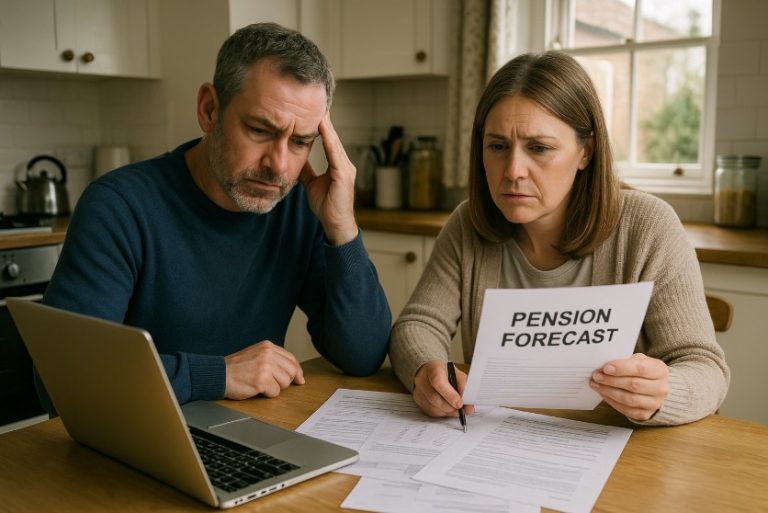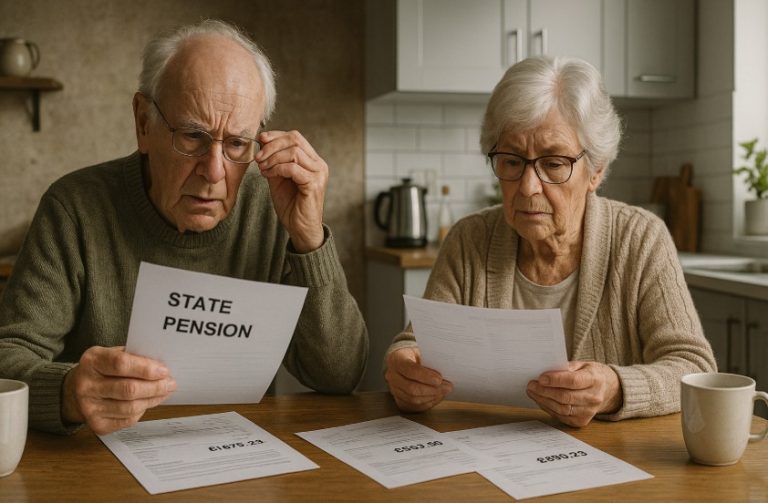
Martin Lewis has raised urgent concerns following the latest Budget announcement, highlighting how state pension increases could unintentionally trigger tax liabilities for retirees.
With the state pension set to rise by 4.8% in April 2026, it will come dangerously close to the frozen personal tax allowance.
This development has serious implications for pensioners, especially those on fixed incomes or with minimal additional earnings.
As the triple lock remains in place, questions are mounting around future tax obligations and policy decisions.
What Did Martin Lewis Say About the State Pension in His Budget Special?
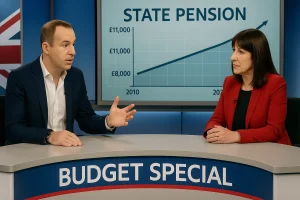
During the recent Budget special aired on ITV, Martin Lewis addressed growing concerns about how the upcoming state pension increase could impact tax obligations for older people in the UK.
In particular, a viewer raised a question about her 85-year-old father who suffers from dementia and receives only the state pension. The viewer asked whether this pension increase would force him to file a tax return.
This question was directed to Chancellor Rachel Reeves, who responded by assuring that individuals receiving only the state pension would not be required to submit a tax return.
She clarified that no such tax obligations would apply during the current parliamentary term. Although this is comforting in the short term, financial experts and policymakers are increasingly concerned about how rising pensions could push more retirees close to or over the income tax threshold.
Lewis’s engagement with this issue has brought national attention to a developing problem: the alignment of growing pension payments with a static personal allowance could inadvertently lead to tax liabilities for people who previously did not have to worry about such matters.
How Much Will the State Pension Increase in April 2026?
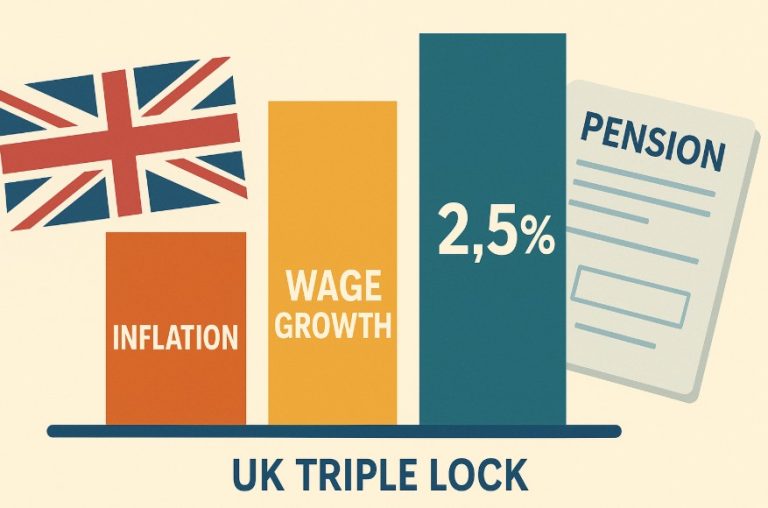
The Budget confirmed a 4.8% rise in the new state pension beginning April 2026. This follows the triple lock mechanism, which adjusts the pension amount annually based on the highest of inflation, wage growth, or 2.5%. For this year, wage growth was the deciding factor.
The full new state pension, currently at £11,973 per year, is projected to increase to approximately £12,534 annually. This figure assumes recipients qualify for the full pension based on their National Insurance contribution history.
Estimated Annual Increase for State Pension Recipients
| Pension Type | 2025/26 Amount | 2026/27 Estimate | Annual Increase |
| New State Pension (Full) | £11,973 | £12,534 | £561 |
| Basic State Pension | Varies | Lower rise | ~£300–£400 |
The increase means the new state pension will come within just £35.40 of the personal tax allowance, which has been frozen at £12,570 until 2028. As a result, many pensioners could find themselves earning income that is nearly equal to the tax-free threshold.
Will the State Pension Rise Trigger New Tax Liabilities?

Rising pension amounts are now edging dangerously close to the frozen personal allowance. This leaves minimal room for any additional income before income tax applies.
According to Standard Life, the new full state pension will use up 99.7% of the personal allowance, leaving only a £35.40 margin. Any supplementary income from interest on savings, dividend payments, part-time employment, or rental income could push pensioners over the threshold.
Some important details:
- In 2021/22, the state pension was 74% of the personal allowance
- By 2026/27, it will be almost equal to the full allowance
- Pensioners will only need a few pounds in additional income to become taxable
Mike Ambery, Retirement Savings Director at Standard Life, highlighted the shift. He noted that the personal allowance had risen consistently between 2007 and 2020 but has remained frozen since, while pension payments continue to rise. For those paying higher-rate tax, the actual benefit of the £561 increase drops to around £337.
This changing dynamic may lead to confusion and administrative complexity for pensioners, especially those who have never previously had to engage with the tax system.
What Is the Triple Lock and Will It Stay?
The triple lock is a long-standing policy mechanism that protects the value of the UK state pension. It guarantees that the pension will rise each year by the highest of the following three measures:
- Inflation (Consumer Prices Index)
- Average wage growth
- A minimum of 2.5%
This ensures that the value of pensions keeps pace with rising living costs or average earnings, whichever is higher. It was introduced to prevent the erosion of pension value over time.
Despite growing fiscal pressure, the Labour government has confirmed its commitment to the triple lock. Pat McFadden, the new Secretary of State for Work and Pensions, stated that the policy would remain in place for the duration of the current parliament.
By the end of this term, it’s estimated that the triple lock could result in cumulative increases totalling around £1,900 for full pension recipients. While this is good news for pensioners, it poses a substantial financial burden on the Treasury.
The sustainability of the triple lock remains in question, especially if the state pension begins to surpass the personal allowance. Experts warn that this could lead to difficult political decisions in upcoming Budgets.
How Close Is the State Pension to the Tax Threshold Now?
By April 2026, the full new state pension is expected to be within £35.40 of the personal tax allowance. This is the narrowest margin ever recorded and increases the likelihood that even modest sources of additional income will trigger tax obligations.
This close proximity to the allowance is concerning for financial planners and pensioners alike. It increases the risk of unintentional non-compliance with tax rules, particularly for older pensioners unfamiliar with HMRC processes.
Rachel Vahey, Head of Public Policy at AJ Bell, described the situation as a “significant conundrum” for both the Treasury and pensioners. If the triple lock results in further increases in 2027 and beyond, it is highly likely that the state pension will exceed the personal allowance.
This situation creates pressure on the government to reconsider its tax strategy. Options include raising the personal allowance, revisiting the structure of the triple lock, or introducing tax credits for pensioners. Each of these would come with its own financial and political consequences.
What Are the Challenges Ahead for the Treasury?

The Budget has exposed the financial tension between supporting pensioners and managing public finances. With the triple lock in place and personal allowances frozen, the government faces two primary policy dilemmas:
- Should the personal allowance be increased in line with inflation or earnings?
- Should the triple lock be restructured or replaced to reduce long-term costs?
Maintaining the triple lock provides stability for pensioners but increases the state’s financial liability. Conversely, adjusting or removing the triple lock could lead to political backlash, especially from older voters.
If current trends continue, the state pension could surpass the personal allowance by April 2027. This would mean that the majority of pensioners receiving the full state pension would automatically be pulled into the tax system. In turn, HMRC would be required to manage a sharp rise in new taxpayers, many of whom are not currently familiar with digital systems or tax returns.
Projected Comparison of State Pension and Personal Allowance
| Year | Estimated State Pension | Personal Allowance | Taxable Income (if any) |
| 2021/22 | £9,339 | £12,570 | £0 |
| 2025/26 | £11,973 | £12,570 | £0 |
| 2026/27 | £12,534 | £12,570 | £35.40 |
| 2027/28* | £12,950 (estimated) | £12,570 | £380 |
*Projected figure based on 3.5% annual increase
This trend illustrates how pension income could soon outpace the personal allowance, especially if the latter remains unchanged.
What Can Pensioners Do to Prepare for the State Pension Rise?
Preparation is key for pensioners navigating the upcoming changes. Taking the right steps now can help avoid future complications, particularly around tax liability and pension eligibility.
Here are a few proactive measures:
- Check National Insurance records using the government’s online tool to ensure you qualify for the full pension amount.
- Fill any gaps in contributions by making voluntary National Insurance payments if eligible.
- Review all sources of income, including savings interest, dividends, rental income, and part-time work, to assess tax exposure.
- Use HMRC’s pension forecast service to understand your expected payments.
- Seek financial advice if you are unsure about your tax position or retirement planning.
These steps will help ensure that pensioners maximise their entitlements while remaining compliant with changing tax regulations.
Will Pensioners on the Basic State Pension Receive the Full Rise?
Not all pensioners will benefit equally from the upcoming increase. Those receiving the basic state pension, which applies to individuals who reached pension age before 6 April 2016, will receive a smaller increase compared to those on the new system.
This difference arises because only the basic component of the old pension increases with inflation, rather than following the full triple lock.
For example:
- A person receiving the basic state pension of approximately £156.20 per week may see an increase of just £5–£6 per week, depending on inflation figures.
- Additional elements such as SERPS (State Earnings-Related Pension Scheme) or Graduated Pension may not increase at the same rate.
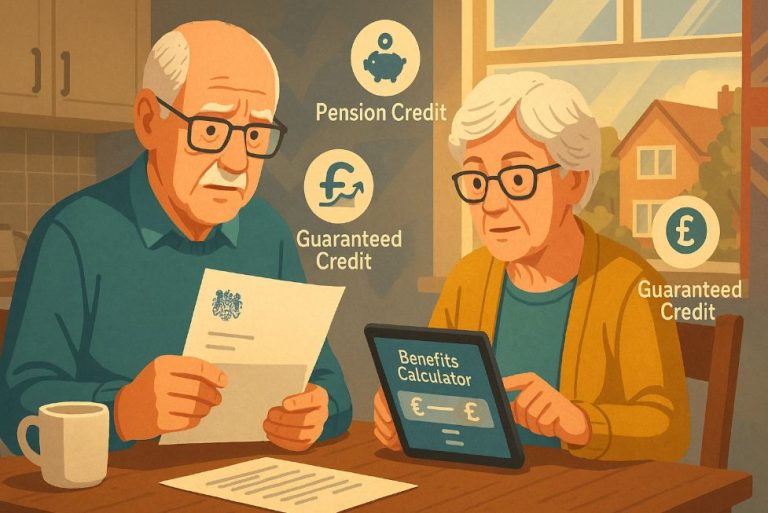
While the extra income is still welcome, the disparity highlights inequalities between different pension schemes. Pensioners on the basic state pension are also more likely to rely on means-tested benefits to supplement their income, making them more vulnerable to changes in policy or cost of living increases.
How Does Inflation Affect the Value of State Pension Increases?
The state pension increase may look substantial on paper, but its real value depends on the inflation rate and how pensioners spend their money.
The Bank of England predicts that inflation will ease in the coming months. If these predictions hold, the 2026 pension rise could outpace the rate of inflation, giving pensioners a temporary boost in real terms.
However, inflation has been particularly high in essential areas such as:
- Household energy costs
- Food and grocery prices
- Council tax and water bills
Since pensioners typically spend a larger portion of their income on these essentials, they may continue to feel financial pressure even if headline inflation falls.
Sarah Coles, Head of Personal Finance at Hargreaves Lansdown, pointed out that inflation’s impact on low-income pensioners is more significant.
She explained that while the headline inflation rate may drop, essential costs may remain elevated, continuing to strain household budgets for retired individuals.
Conclusion
The state pension rise offers financial relief for many, but it also places thousands of pensioners on the edge of the tax threshold. Martin Lewis’s timely warning underscores the growing complexity of retirement finances in the UK.
With the personal allowance frozen and the triple lock guaranteed, pensioners must prepare for possible tax implications in the years ahead.
Reviewing income, checking National Insurance records, and seeking guidance could help avoid unexpected issues and ensure financial stability throughout retirement.
Frequently Asked Questions
What is the difference between the new and basic state pension?
The new state pension applies to those who reached state pension age on or after 6 April 2016. It offers a flat-rate amount, while the basic state pension is based on older rules and often supplemented by additional entitlements.
How can I check if I have gaps in my National Insurance record?
You can log in to your personal tax account on the HMRC website or use the National Insurance record checker to view your full history and identify any gaps.
Will I need to submit a tax return if my pension exceeds the personal allowance?
As of the latest Budget, those with only a state pension will not need to file a tax return. However, if you have other sources of income, it’s advisable to seek guidance from HMRC.
What other income sources count towards my personal allowance?
Additional income includes private pensions, part-time earnings, savings interest, rental income, and dividend payments.
When will the personal allowance be reviewed or changed?
The personal allowance is currently frozen at £12,570 until at least 2028. Any changes would need to be announced in a future Budget.
Can I delay taking my state pension to reduce tax?
Yes, deferring your state pension is possible and may result in a higher weekly payment later. It’s worth calculating the long-term benefits before deciding.
How does voluntary National Insurance work?
You can make voluntary contributions to fill in gaps in your record. This may increase your state pension entitlement. The cost and benefit depend on your circumstances.