Understanding the Department for Work and Pensions (DWP) payment schedule during the festive period is essential for millions of UK residents.
The holiday season often brings changes to usual payment dates due to bank holidays and weekends.
For 2025, the DWP has confirmed that several benefit payments will be made earlier than usual, ensuring recipients have access to their funds ahead of Christmas and New Year.
This guide outlines everything people in the UK need to know about their benefit payments during the holiday period, including payment date changes, early deposits, and what to do if your payment doesn’t arrive on time.
What Are the Confirmed DWP Christmas Payment Dates for 2025?
The Department for Work and Pensions (DWP) and HMRC have published the adjusted payment schedule for benefits due between 24 December 2025 and 2 January 2026.
During this period, early payments are arranged to ensure recipients receive their benefits before the disruption caused by bank holidays.
Here is a detailed breakdown of adjusted payment dates:
| Due Date | Universal Credit Payment | Other Benefits Payment |
| Wednesday 24 December 2025 | Wednesday 24 December | Tuesday 23 December |
| Thursday 25 December 2025 | Wednesday 24 December | Tuesday 23 December |
| Friday 26 December 2025 | Wednesday 24 December | Tuesday 23 December |
| Thursday 1 January 2026 | Wednesday 31 December | Wednesday 31 December |
| Friday 2 January 2026 (Scotland) | Friday 2 January | Wednesday 31 December |
These changes apply to all qualifying DWP and HMRC benefits, including Universal Credit, Pension Credit, and others. Payments return to normal after the holiday period.
Will My Benefits Be Paid Early Over the Christmas Bank Holidays?
When a benefit payment date falls on a bank holiday or weekend, the DWP pays it on the last working day before the scheduled date.
This ensures claimants receive financial support in time for Christmas and New Year expenses.
For example:
- A Universal Credit payment due on Thursday 25 December (Christmas Day) will be paid on Wednesday 24 December
- If your benefit is due on Friday 26 December (Boxing Day), it will also be paid on Wednesday 24 December
- Payments due on New Year’s Day will arrive by Wednesday 31 December
This standard practice applies across most DWP benefits. However, Child Benefit payments may follow a different processing system and sometimes vary.
Recipients are advised to monitor their bank accounts and plan ahead, especially since the next payment after the early December disbursement might take longer to arrive.
How Do Different Benefits Handle Christmas Payments in 2025?
During the Christmas period, most benefits follow the same eligibility and payment rules as usual, but the payment dates are adjusted if they fall on a bank holiday. Here’s how different benefits are managed during the festive period in 2025.
Universal Credit Payment Adjustments
Universal Credit is paid once a month, based on the date of the original claim. If your payment date falls on:
- 25 December (Christmas Day)
- 26 December (Boxing Day)
- 1 January (New Year’s Day)
You will usually receive your payment on the working day before. For 2025, this means most payments will be made on Wednesday 24 December or Wednesday 31 December, depending on your usual cycle.
State Pension and Pension Credit
Both State Pension and Pension Credit are typically paid every four weeks. If your usual payment date coincides with a bank holiday:
- The payment is moved to the last working day before the holiday
- Payments due on 25 or 26 December 2025 will arrive on 23 or 24 December
- For New Year, payments due on 1 January will be paid on 31 December
This ensures pensioners receive their money in time to cover seasonal expenses.
Carer’s Allowance and Attendance Allowance
Carer’s Allowance is paid either weekly in advance or every four weeks, depending on your arrangement. Attendance Allowance is paid every four weeks.
If a scheduled date is on a bank holiday, the payment will be made early, often by one or two days.
Disability Living Allowance (DLA) and Personal Independence Payment (PIP)
Both DLA and PIP are paid every four weeks. Payments due on Christmas or New Year bank holidays will also be moved forward.
Recipients should check their bank accounts on 23 or 24 December and again before the New Year to ensure funds are received on time.
Employment and Support Allowance (ESA), Jobseeker’s Allowance (JSA), and Income Support
These benefits are usually paid every two weeks. The DWP will advance any payments due between 25 December and 1 January, ensuring access to money during the break.
If your benefit is due on a holiday or weekend, the DWP will issue it on the previous working day.
Child Benefit and Maternity Allowance
Child Benefit is normally paid every four weeks but may also be received weekly in certain cases. Maternity Allowance is paid every 2 or 4 weeks.
Both are adjusted for Christmas. For example:
- Payments due on 25 or 26 December will arrive on 23 December
- Payments due on 1 January will arrive on 31 December
What If My Payment Doesn’t Arrive on the Expected Date?
Although the DWP issues most payments on time, there can be occasional delays due to banking system errors or incorrect personal details. If your benefit hasn’t arrived by the expected date:
- Check your bank account to confirm the payment hasn’t been deposited under a different reference or time
- Review your benefit claim correspondence for any notices about date changes
- Contact the DWP office responsible for your benefit. Each benefit type has a dedicated helpline
- If you claim Universal Credit, log into your online journal to report a missing payment
Missing payments are usually rectified quickly, and in some cases, a manual payment may be issued by the DWP if necessary.
How Often Are Benefits Paid During the Holiday Period?
While the payment dates may change over Christmas, the frequency of payments remains the same. The following table outlines how often each benefit is typically paid throughout the year, including during the festive season:
| Benefit Type | Usual Payment Frequency |
| Universal Credit | Monthly |
| State Pension | Every 4 weeks |
| Pension Credit | Every 4 weeks |
| Carer’s Allowance | Weekly or every 4 weeks |
| Disability Living Allowance | Every 4 weeks |
| Personal Independence Payment | Every 4 weeks |
| Employment and Support Allowance | Every 2 weeks |
| Jobseeker’s Allowance | Every 2 weeks |
| Income Support | Every 2 weeks |
| Child Benefit | Every 4 weeks or weekly |
| Maternity Allowance | Every 2 or 4 weeks |
| Attendance Allowance | Every 4 weeks |
Although benefit frequency is not affected by the festive period, it’s important to factor in longer gaps between payments due to early disbursements before Christmas and New Year.
How Are DWP Payments Transferred During Christmas 2025?
The way benefits are paid does not change during the Christmas period. However, it’s essential to understand the process so you can anticipate when funds will arrive and take action if anything is delayed.
Direct Bank Transfer Process
DWP benefits are paid through automated bank transfers into the account details you provided when you first applied. This is usually a:
- Bank account
- Building society account
- Credit union account
Payments are processed overnight, and most recipients see the funds available in their accounts by 8 AM on the scheduled payment date.
Payment References to Look For
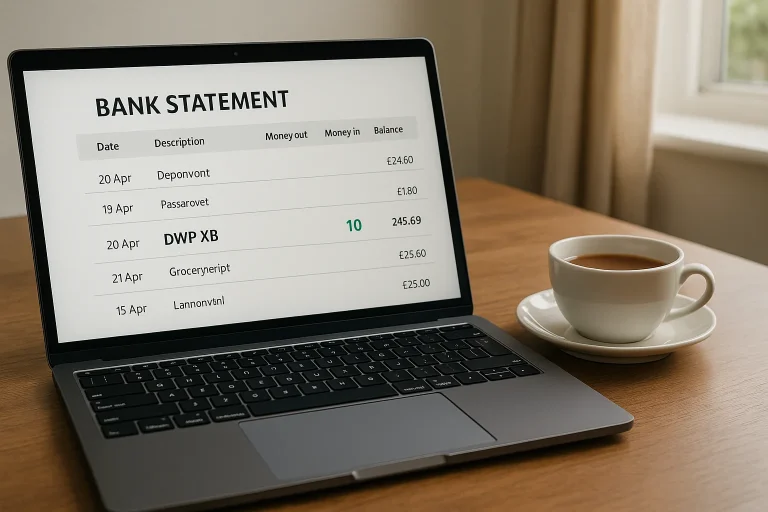
When your payment arrives, it will appear with specific references such as:
- DWP UC for Universal Credit
- DWP PIP for Personal Independence Payment
- DWP ESA for Employment and Support Allowance
- HMRC Child Benefit for Child Benefit payments
Knowing these references helps you verify that your payment has been received correctly.
What Happens If You Don’t Have a Bank Account?
If you are unable to open or manage a bank account due to personal circumstances, you may be eligible for an alternative payment method.
Options may include:
- Payment Exception Service, where you can collect payments via barcode at PayPoint outlets or the Post Office
- Discussion with a DWP adviser to arrange a more suitable method based on your needs
You must contact the office responsible for your benefit to request an alternative payment arrangement.
Possible Delays and Banking Hours
While DWP makes payments in advance of holidays, occasional delays can still happen due to:
- Bank processing times during reduced working hours
- Public holidays causing backlogs in the banking system
- Incorrect account details provided to DWP
If a delay occurs, it is recommended to:
- Wait until the end of the working day before contacting the DWP
- Check your banking app or online account for any pending payments
- Report a missing payment through your Universal Credit journal or benefit helpline
Staying informed and proactive can help ensure your finances remain stable during the festive break.
Will I Receive a DWP Christmas Bonus in 2025?
The DWP provides an annual Christmas Bonus to eligible claimants, which remains in effect for 2025.
This is a tax-free, one-off payment of £10 made automatically to people who receive qualifying benefits during a specific week in December.
Eligibility includes those in receipt of:
- State Pension
- Personal Independence Payment (PIP)
- Carer’s Allowance
- Disability Living Allowance (DLA)
- Incapacity Benefit (at a long-term rate)
- Industrial Injuries Disablement Benefit
- Pension Credit
- War Widow’s Pension
There is no need to apply separately for the bonus. It is issued automatically, usually in the first or second week of December. It appears as a separate line item in your bank account and does not affect any other payments.
How Can I Plan Financially for Early Payments?

Receiving your benefits early can be helpful, but it can also lead to a longer-than-usual gap before your next scheduled payment in January. Financial planning is essential during this time.
Here are practical suggestions to manage your budget:
- Note down the early payment date and calculate how many days it must last
- Create a festive season budget covering food, bills, travel, and other essentials
- Avoid unnecessary spending just because the payment arrives early
- Use online banking tools to track and set limits for various expense categories
- Plan for New Year costs which often arise before your next benefit arrives
By managing your budget during this time, you can reduce financial stress and avoid shortfalls in January.
Are Child Benefit Payments Affected by Christmas Bank Holidays?
Yes, Child Benefit payments are also subject to adjustment if they are due on a bank holiday. For the 2025 holiday period, here are the key changes:
- Payments scheduled for Thursday 25 December or Friday 26 December will likely arrive on Tuesday 23 December
- Payments falling on New Year’s Day (Thursday 1 January 2026) will be made on Wednesday 31 December 2025
For those receiving weekly Child Benefit payments, the same rules apply, but the impact may be greater due to the shorter payment cycle.
It’s important to verify your payment dates using official HMRC correspondence or online account portals. Adjustments to Child Benefit payments are made automatically.
What Should You Do If You Want to Repay Unused Benefits?

In cases where individuals receive benefits they later realise they do not need or were overpaid, they may choose to voluntarily repay the amount. While this situation is rare, the process is straightforward.
To repay a benefit:
- Write to the DWP office that issued the payment, using the contact information from your benefit letter
- Include your National Insurance number, the amount, and date of payment
- Enclose a cheque payable to the department in question
For Child Benefit, repayment is typically only required in cases of overpayment, and HMRC will issue instructions on how to handle it.
Voluntary repayment does not affect future eligibility for benefits, but it’s advisable to contact the issuing office before proceeding.
Conclusion
Understanding the DWP Christmas payment dates for 2025 ensures that benefit recipients can plan ahead and manage their finances during the festive period.
With most payments being made earlier due to bank holidays, it’s essential to check your expected dates and prepare accordingly.
Whether you receive Universal Credit, pensions, or other support, staying informed helps avoid financial stress. Always contact the relevant department if your payment is delayed or you need further assistance with your benefits.
Frequently Asked Questions (FAQs)
What happens if my Universal Credit is due on Christmas Day 2025?
If your Universal Credit payment falls on Christmas Day (Thursday, 25 December), you will receive it earlier, on Wednesday, 24 December 2025.
Do DWP payments get delayed over Christmas?
Generally, no. DWP ensures payments due on bank holidays are made earlier. However, delays can occur if there are bank processing issues.
Is the DWP Christmas bonus automatic?
Yes, if you qualify, the £10 Christmas bonus will be paid automatically into your account without the need for a separate claim.
Can I change how often I get my benefit payments?
For most benefits, payment frequency is fixed. In some cases (like Child Benefit), you may choose weekly or four-weekly payments.
Will payments be made on Saturday or Sunday?
If your usual payment falls on a weekend, it will be made on the preceding Friday or the last working day before the weekend.
How can I contact the DWP if my payment is missing?
You should contact the relevant DWP helpline listed in your benefit correspondence or use your Universal Credit online journal.
Are Scottish payment dates different?
Yes, Scotland observes an additional bank holiday on 2 January, which may affect payment dates. Adjustments are made accordingly.