In recent weeks, rumours have spread rapidly across social media and messaging apps about a supposed £800 Christmas bonus being offered by the Department for Work and Pensions (DWP).
Many have been misled into believing this is an official one-off festive payment for people on benefits. However, the truth is that this so-called “DWP Christmas Bonus 800” is not a legitimate government scheme.
In this post, we will break down what the actual DWP Christmas Bonus is, clarify what the £800 payment refers to, and help readers understand how to avoid falling victim to scams and misinformation.
What Is The Real DWP Christmas Bonus And How Much Is It?
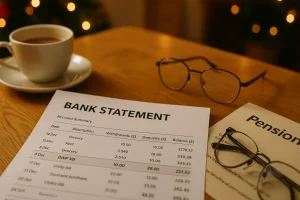
The Department for Work and Pensions issues a legitimate Christmas Bonus each year, but it is far from the amount being circulated in social media rumours.
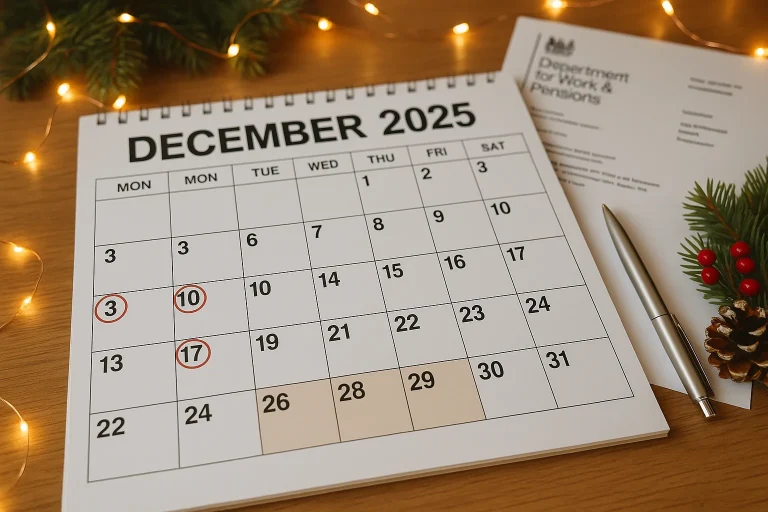
The official DWP Christmas Bonus is a one-off, tax-free payment of £10 made to people receiving certain qualifying benefits during the first full week of December.
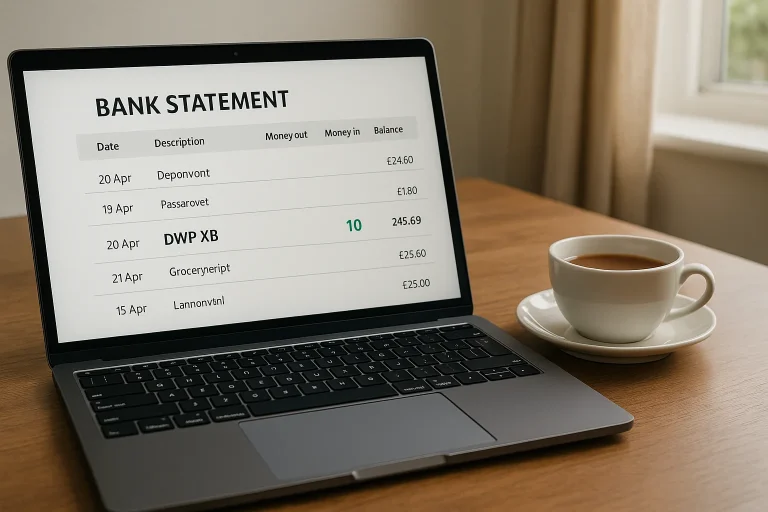
It is automatically issued to those who meet the criteria, and there is no need to apply. If eligible, the payment will appear in your bank statement as “DWP XB.”
This £10 bonus was introduced decades ago and has remained unchanged for many years. While small, it serves as a seasonal gesture for those on state support.
People Typically Eligible Include:
- State Pension claimants
- Carer’s Allowance recipients
- People on Disability Living Allowance or PIP
- Those receiving Incapacity Benefit (long-term)
- Individuals on Pension Credit
The DWP does not increase this bonus for inflation or cost of living changes. It is consistent across the board and not linked to income levels or household size.
What Is The £800 Payment People Are Talking About?
The widely discussed £800 DWP payment is not a Christmas bonus but refers to a Budgeting Advance or Budgeting Loan, which are financial support tools available to low-income individuals receiving specific benefits. These are loans provided for urgent costs and are repayable through deductions from future benefit payments.
Budgeting Advances are designed for Universal Credit claimants, while Budgeting Loans are for those receiving income-based Jobseeker’s Allowance, Income Support, or other qualifying benefits.
Key Details About These Payments:
- These are not bonuses or grants
- You must apply and meet the eligibility criteria
- Payments are repaid through future benefits
- Amount depends on household type and financial situation
Below is a detailed comparison of these two types of payments:
| Feature | Budgeting Advance (Universal Credit) | Budgeting Loan (Legacy Benefits) |
| Available To | Universal Credit claimants | Income Support, JSA, ESA, etc. |
| Maximum Amount | Up to £812 (for families) | Up to £812 (for families) |
| Application Required | Yes | Yes |
| Repayment Method | Benefit deductions | Benefit deductions |
| Interest Charged | No | No |
| Purpose | Emergency or essential costs | Emergency or essential costs |
The confusion likely arises when recipients of these loans post screenshots or comments online, giving the impression that they have received a bonus payment from the DWP.
Why Are People Being Misled About A DWP Christmas Bonus Of £800?

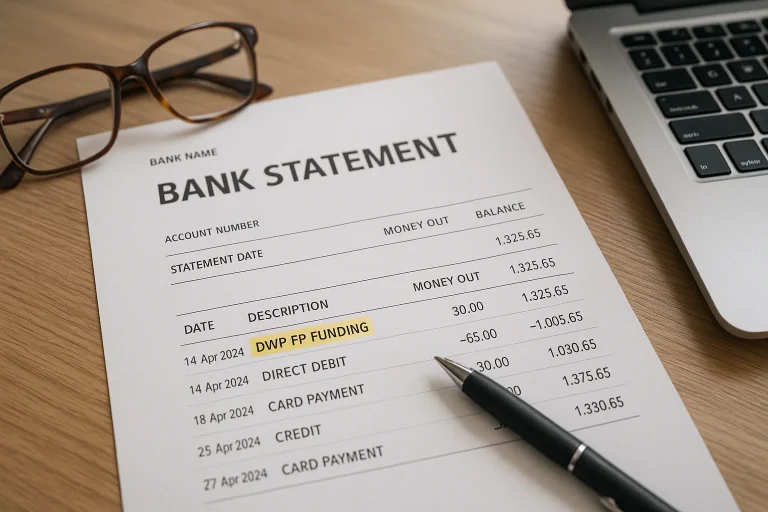
The rumour of an £800 DWP Christmas Bonus gained traction due to misleading social media posts, unverified videos, and false claims being widely shared across platforms. In many cases, users have posted vague updates or screenshots of their bank statements, sometimes failing to clarify that the payment they received was a loan, not a bonus.
This type of misinformation spreads easily during the holiday period when people are actively looking for financial support or government aid. Some may confuse the £10 Christmas Bonus, Cost of Living Payments, and Budgeting Advances, leading to a distorted understanding of what is genuinely available.
These misleading claims often use official-looking graphics and text, which mimic the language and design of real DWP communications. However, they typically lack direct references to GOV.UK or official press releases.
How Can You Check If A DWP Payment Or Message Is Genuine?
It is essential to verify the legitimacy of any payment or communication that appears to come from the Department for Work and Pensions. Scammers have become increasingly sophisticated in crafting fraudulent messages that look authentic but are intended to extract personal or financial information.
Ways To Identify Legitimate DWP Communication:
- Messages from DWP will never ask for bank details via text or email
- Genuine DWP payments appear on statements with clear references like “DWP XB” or “DWP UC”
- DWP typically contacts claimants through secure channels, such as your Universal Credit journal or official letter
- Any unexpected payments or bonus announcements should be verified on www.gov.uk
If you’re unsure about a message or payment, contact the DWP directly through their helpline or check your benefit account online. Avoid clicking on links in emails or texts that you were not expecting, especially if they direct you to third-party sites or ask for login information.
What Support Is Available For People Facing Urgent Financial Hardship?
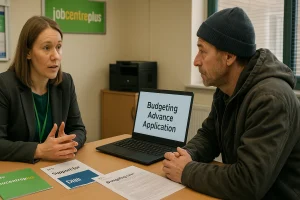
While there is no £800 Christmas bonus, several real support schemes exist for people who need help covering essential expenses. These government schemes provide emergency assistance but are means-tested, application-based, and often repayable.
Some of the main support options include:
- Budgeting Advance (for Universal Credit) – to help with one-off or unexpected costs
- Budgeting Loan (for legacy benefits) – same purpose as Budgeting Advance but for those not on Universal Credit
- Discretionary Housing Payments – for those who need help with housing costs
- Short-Term Benefit Advances – advance payments if you’re waiting for your first benefit
Below is a breakdown of how different support types compare in terms of eligibility and repayment:
| Type of Support | Eligibility | Repayable | Max Amount | Purpose |
| £10 Christmas Bonus | On qualifying benefits in Dec | No | £10 | Seasonal bonus |
| Budgeting Advance | On Universal Credit | Yes | Up to £812 | Urgent or essential expenses |
| Budgeting Loan | On income-based legacy benefits | Yes | Up to £812 | Emergency financial needs |
| Cost of Living Payments | Meeting income/benefit thresholds | No | Varies | Help with rising living costs |
Understanding these differences helps clarify that while the government does offer financial support for those in need, it is neither automatic nor available in the form of a blanket £800 bonus.
Who Is Eligible For The Real DWP Christmas Bonus?

Eligibility for the official DWP Christmas Bonus is strictly limited to individuals who receive at least one of the qualifying benefits during the first full week of December, known as the qualifying week. The bonus is not means-tested, and there is no application process.
You May Be Eligible If You Receive:
- State Pension
- Pension Credit (the guarantee element)
- Disability Living Allowance
- Personal Independence Payment
- Attendance Allowance
- Carer’s Allowance
- Incapacity Benefit (long-term)
- Contribution-based Employment and Support Allowance (in the main phase)
The payment does not affect your other benefits and is made automatically. It is typically paid into the same account where your regular benefit is deposited and shows up with the transaction reference “DWP XB.”
If you believe you’re eligible and haven’t received the bonus by mid-December, it is advised to contact the DWP to confirm your status.
What Should You Do If You’ve Been Targeted By A DWP Payment Scam?
If you’ve received a suspicious message claiming you are due a large payment from the DWP, or if you’ve been asked to provide personal details to claim a bonus, it’s important to treat it as a potential scam.
The most effective steps to protect yourself include:
- Avoid responding to messages or emails from unverified sources
- Do not provide your National Insurance number, bank details, or passwords
- Report the scam to Action Fraud, the UK’s national fraud reporting service
- Notify the DWP if the scam is benefit-related so they can investigate and track similar reports
- If you’ve already shared financial information, contact your bank immediately to prevent further loss
Staying informed and cautious can prevent further exposure to benefit-related fraud attempts.
How Can You Stay Informed About Real DWP Benefit Updates?
The most reliable way to stay up to date with government benefit information is through the official UK Government websites and verified DWP communication channels. Avoid relying on unverified social media posts, viral videos, or messages from unfamiliar accounts.
Trusted Sources For DWP Updates:
- www.gov.uk – The UK Government’s official portal for all benefit-related information
- DWP Twitter and Facebook pages – Verified channels used to announce updates and press releases
- Universal Credit online accounts – For personal and secure communication about your benefits
If you hear about a new payment, always check official sources first before acting. Scammers often create urgency to get people to click quickly without verifying, which can lead to compromised personal information or financial loss.
Conclusion
The “DWP Christmas Bonus 800” is not a legitimate benefit. The official Christmas Bonus remains £10, and the £800 figure refers to budgeting loans or advances intended to help with urgent or essential costs. As the holiday season approaches, it’s vital to verify all claims through trusted sources and avoid falling prey to misleading posts or scams.
For up-to-date information about benefits and payments, always refer to www.gov.uk or speak directly with DWP.
Frequently Asked Questions
Is the £800 DWP Christmas bonus real?
No, there is no £800 Christmas bonus. The only official Christmas bonus is £10, and the £800 figure refers to a budgeting loan or advance, which is a repayable loan.
What is the DWP XB payment on my bank statement?
DWP XB refers to the £10 Christmas Bonus paid automatically to eligible benefit claimants in December.
Can I apply for the £10 DWP Christmas bonus?
No, the bonus is issued automatically if you’re receiving one of the qualifying benefits during the designated week in December.
What is the maximum I can receive through a DWP Budgeting Loan or Advance?
Single claimants may receive up to £348, couples up to £464, and families up to £812 – depending on circumstances.
How do I apply for a DWP Budgeting Advance?
You can apply through your Universal Credit online account or by speaking to a DWP work coach. You must meet eligibility criteria.
Why do people believe there’s an £800 bonus?
Misinformation on social media has led many to believe that the DWP is offering an £800 bonus, but this is not accurate.
What should I do if I already shared my details with a scammer?
Contact your bank immediately, report the fraud to Action Fraud, and notify the DWP. Take steps to protect your identity.