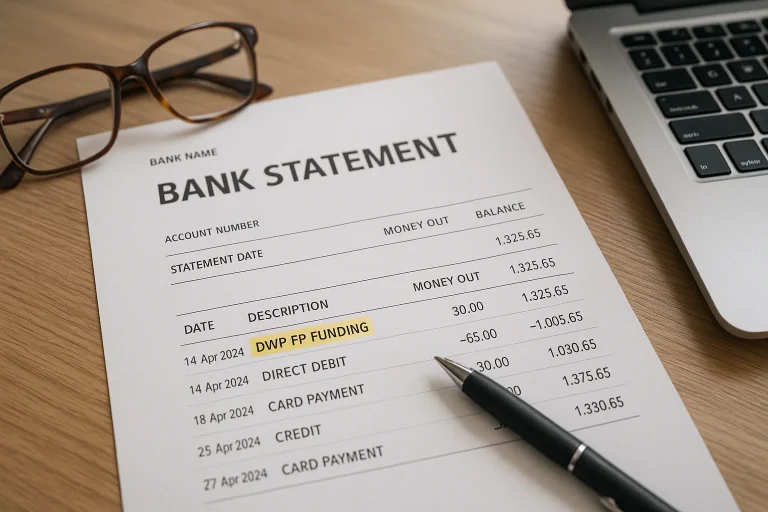
DWP food vouchers are an essential part of local council support in the UK, funded by the Department for Work and Pensions through the Household Support Fund.
These vouchers help low-income households and vulnerable individuals access essential food and goods during times of hardship.
While not issued directly by the DWP, local authorities manage distribution based on need and eligibility. This guide explains how the scheme works, who qualifies, and how to apply through your local council.
What Are DWP Food Vouchers and How Do They Work?
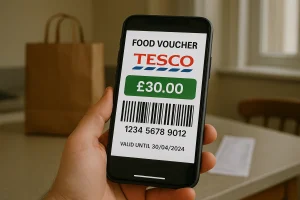
DWP food vouchers are part of the financial support provided to residents through the Household Support Fund, a government initiative aimed at helping those struggling with essential living costs.
Although often referred to as “DWP food vouchers”, they are not issued directly by the Department for Work and Pensions.
Instead, the DWP allocates funding to local councils, which then administer the distribution of food vouchers to eligible residents.
These food vouchers are usually distributed in digital formats, such as e-vouchers or codes sent via email or SMS. In some cases, councils may provide physical vouchers, depending on the provider or recipient’s preference.
They are redeemable at a range of UK supermarkets and can be used similarly to store gift cards.
The intention behind these vouchers is to ensure that vulnerable or low-income individuals and families can access food and other essential household goods.
Local councils are responsible for deciding the structure, eligibility, and distribution process for these vouchers.
Some councils work with third-party distribution platforms like Evouchers.com to streamline the process.
Councils often set specific usage guidelines, ensuring the vouchers are used for essential goods rather than non-essential or restricted items. Vouchers are time-limited, and their usage may vary by issuing authority.
Where Does the Funding for These Vouchers Come From?
The funding for these food vouchers is part of the broader Household Support Fund, which is financed by the UK government through the DWP.
The purpose of this fund is to provide additional help to those who may not have access to mainstream benefits or who need urgent financial support due to changing circumstances.
Local councils receive a portion of this funding based on factors such as:
- Population demographics
- Economic need in the area
- Levels of deprivation
Once the funds are received, each council designs its support scheme. Some councils provide food vouchers directly, while others distribute the funds through local charities, community groups, or voluntary organisations.
The Department for Work and Pensions oversees the allocation of funding and may issue updated guidance to councils based on the evolving needs of residents.
Councils are given discretion in how they administer their portion of the Household Support Fund, which can include providing help with energy bills, household essentials, and food.
This decentralised approach ensures that support is tailored to local communities, although it also means there are significant variations in how food vouchers are distributed across different regions.
Who Is Eligible to Receive DWP Food Vouchers?

Eligibility for DWP food vouchers is determined by local authorities. Although criteria vary across councils, the main aim is to assist individuals or families experiencing financial hardship or vulnerability. In general, the following groups are prioritised:
- Low-income households not receiving sufficient support from benefits
- Families with school-aged children, particularly those on free school meals
- Elderly residents, especially those living alone or without support
- Individuals with long-term health conditions or disabilities
- People facing temporary crises such as job loss, eviction, or bereavement
Some councils may extend support to those with no recourse to public funds or individuals recently affected by housing or financial emergencies.
It is important to note that being eligible does not guarantee receiving vouchers. Most local schemes are discretionary and subject to budget limitations.
Some councils have capped the number of applications a household can make within a given year.
How Can You Apply for Food Vouchers from the DWP via Your Council?
Applying for food vouchers typically involves contacting your local council directly. Since each authority operates its Household Support Fund scheme differently, you’ll need to follow the specific application process set by your council.
Here’s how the process generally works:
- Find Your Council: Use the official government website to locate your local authority.
- Check Their Household Support Fund Page: Look for information on food vouchers or cost-of-living support.
- Review the Eligibility Criteria: Requirements differ by region. Some councils only allow one application per household per year.
- Complete the Application: Most applications are submitted online, but some councils accept phone or in-person applications.
- Await Confirmation: If successful, you may receive your voucher via email, SMS, or post.
- Contact Community Support if Needed: If you can’t apply online or need help, local charities and food aid organisations can assist.
What Can You Use the Food Vouchers For?
The primary purpose of DWP food vouchers is to allow recipients to purchase essential items to sustain themselves and their households.
These vouchers are accepted at a number of major supermarket chains in the UK and function similarly to digital gift cards.
Approved items typically include:
- Fresh produce, meats, dairy, and bread
- Canned and dry food goods
- Infant formula and baby food
- Toiletries and hygiene products
- Household cleaning items
Each council may place its own restrictions on the use of vouchers. Items such as alcohol, cigarettes, lottery tickets, and non-essential household electronics are usually not permitted. Supermarkets may also have limitations depending on the type of voucher issued.
Vouchers are usually valid for a limited time period, ranging from a few weeks to several months.
If not used within the allotted time, the voucher may expire and cannot be replaced. Recipients are advised to redeem their vouchers promptly to avoid any loss of value.
How Do Local Councils Decide Who Gets Support?

Local councils base their food voucher distribution on several factors, aiming to allocate resources in a fair and impactful manner. Funding limitations often mean councils have to prioritise applicants based on urgency and vulnerability.
Some common criteria used in decision-making include:
- Total household income
- Number of dependents or children in the household
- Housing costs or risk of homelessness
- Medical needs or disabilities
- Existing benefit status
Councils may also consider whether the applicant has previously received support through the Household Support Fund. Many schemes only allow one successful application per household per funding round.
In some areas, community organisations and charities are authorised to distribute food vouchers on behalf of the council.
These groups may be able to fast-track applications or reach individuals who are less likely to engage with online application systems.
A sample breakdown of council support criteria is shown in the table below.
Common Eligibility Factors Used by Councils
| Eligibility Factor | Typical Requirement | Notes |
| Income Threshold | Below £16,000 annually (varies) | Adjusted for family size |
| Benefit Status | Universal Credit, ESA, etc. | Not always mandatory |
| Number of Dependents | 1 or more children | Priority often given to families |
| Housing Situation | At risk of eviction or arrears | May require landlord or council letter |
| Disability or Health Condition | Medical proof may be required | Includes physical or mental health |
| Application History | One application per year or round | Some councils limit repeat claims |
How Do Food Vouchers Help During School Holidays?
During school holidays, many councils provide food vouchers to families whose children are eligible for free school meals.
These vouchers serve as a substitute for the meals children receive during term time and are intended to reduce the financial pressure on parents and guardians during the break.
Key aspects of this support include:
- Automatic voucher issuance for eligible children
- Weekly allowance per child, often around £15 to £20
- Distribution via email or school portal login
- Use limited to supermarkets or grocery stores
Some councils also extend this support to families in hardship who are not formally registered for free school meals but demonstrate financial need.
It is common for schools to coordinate with local authorities to ensure all eligible students receive support in time for the holidays.
Local authorities often release announcements about school holiday food support several weeks in advance. Families should check their child’s school newsletter or the council’s website for updates.
What Other Help Can You Get Alongside Food Vouchers?
In addition to DWP food vouchers, local councils may offer a range of other support services through the Household Support Fund or related schemes.
These services are designed to offer comprehensive aid to households experiencing financial difficulties.
Some of the additional support available may include:
- Energy bill top-ups or pre-payment meter vouchers
- Assistance with essential furniture or white goods
- Discretionary housing payments for rent shortfalls
- Council Tax reduction or temporary relief
- Referrals to debt advice or budgeting support services
Households are often encouraged to apply for multiple types of assistance through a single application process. Councils may also advise on benefit entitlements or help with navigating the welfare system.
It’s important to remember that the type and level of additional support vary by location. Some local authorities offer packages of aid tailored to specific vulnerable groups, such as carers, refugees, or single-parent households.
Which Supermarkets Accept DWP Food Vouchers?
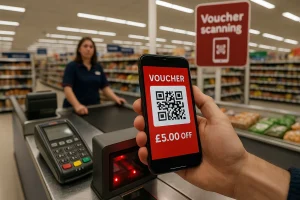
DWP food vouchers, issued by local councils through the Household Support Fund, are usually redeemable at major supermarket chains across the UK.
These vouchers are provided either in digital form (such as e-codes or gift cards sent via email or SMS) or occasionally as printed paper vouchers, depending on the council’s chosen provider.
Not all supermarkets accept every type of voucher, and usage rules may vary. It’s essential to check any usage restrictions that come with your specific voucher.
Where Can the Vouchers Be Used?
Most councils issue vouchers that are redeemable at one or more of the following major supermarkets:
- Tesco: Widely accepted for both in-store and online shopping using e-vouchers.
- Asda: Offers e-gift cards that can be redeemed online or at any UK store.
- Aldi: Accepts paper vouchers in-store only; currently does not support online redemption.
- Morrisons: Provides digital or physical gift cards which must be activated before use.
- Sainsbury’s: Supports both online and in-store use of digital codes for grocery purchases.
What Items Can Be Purchased with the Vouchers?
These supermarket vouchers are intended to support the purchase of essential household goods. Most can be used for:
- Fresh fruit and vegetables
- Dairy and meat products
- Baby essentials such as formula and nappies
- Tinned and dried foods
- Toiletries and hygiene items
Items such as alcohol, cigarettes, lottery tickets, and electronics are usually excluded from purchase under the terms of use.
Participating Supermarkets and Voucher Usage
| Supermarket | Voucher Type | Online Use | In-Store Use | Restrictions |
| Tesco | E-voucher | Yes | Yes | Cannot be used for tobacco or alcohol |
| Asda | E-gift card | Yes | Yes | Excludes non-essential electronics |
| Aldi | Paper voucher | No | Yes | In-store redemption only |
| Morrisons | Digital gift card | Yes | Yes | Must activate before use |
| Sainsbury’s | Digital code | Yes | Yes | Limited to groceries and essentials |
Things to Remember When Using Food Vouchers
- Expiry Dates: Most vouchers have a limited validity. Always check the expiration date and use the voucher before it becomes invalid.
- Partial Payments: If your purchase is less than the voucher value, remaining credit may not always be retained unless specified.
- Technical Issues: If you experience issues with digital vouchers, contact your council or the provider (e.g., Evouchers.com) immediately.
- Lost Vouchers: Councils may not replace lost or expired vouchers, especially if funds are limited.
This section should help you understand where and how to use DWP food vouchers effectively, ensuring maximum benefit from the support provided.
Conclusion
DWP food vouchers offer vital relief for families, pensioners, and individuals struggling with the rising cost of living.
Managed through local councils, they provide practical help in the form of supermarket vouchers, easing the burden of buying everyday essentials.
With each authority setting its own criteria and process, it’s important to stay informed and apply early.
These vouchers, though limited and discretionary, can make a significant difference to those most in need across the UK.
FAQs
How do I find my local council’s Household Support Fund application?
Visit the official government website, enter your postcode, and follow the link to your local authority’s support page.
Can I get DWP food vouchers if I’m not receiving any benefits?
Yes. Eligibility is not limited to those on benefits. Many working families or pensioners in hardship also qualify.
Are the food vouchers physical or digital?
They can be both. Most are digital and sent via email or SMS, but some councils offer physical vouchers by post.
How long does it take to receive the vouchers after applying?
It varies by council. Some distribute vouchers within a few days, while others may take up to two weeks.
Can I apply more than once a year for food vouchers?
Some councils limit applications to once per funding round or year. Check your council’s guidelines.
What happens if I don’t use the voucher before it expires?
Most vouchers have an expiry date. Unused vouchers may become invalid, so use them as soon as possible.
Can pensioners get food vouchers through the HSF?
Yes, pensioners facing hardship are often prioritised under the Household Support Fund.