As October 2025 arrives, many households across the UK are preparing for another challenging financial season. With energy prices rising and everyday costs remaining high, millions rely on Department for Work and Pensions (DWP) payments for vital support.
Understanding when and how these payments are made is essential for managing budgets effectively. This guide explains the key DWP October 2025 payment dates, benefit updates, and additional financial assistance available to help families stay financially secure.
What Is Happening with DWP Payments in October 2025?

October 2025 brings a period of financial adjustment for many households across the UK. As living costs remain high, millions rely on Department for Work and Pensions (DWP) benefits to manage daily expenses.
Inflation may have stabilised, but the cost of essentials such as food, rent, and utilities continues to strain household budgets.
Over 24 million people in the UK receive one or more DWP-administered benefits, including Universal Credit, Personal Independence Payment (PIP), and Pension Credit.
Despite the scale of support, around £24 billion in benefits remains unclaimed annually, meaning many households may still be missing out on financial assistance they are entitled to.
The DWP’s priority in October is to ensure stable payment cycles while continuing the transition of legacy benefits into Universal Credit ahead of the January 2026 deadline.
Which DWP Benefits Are Being Paid in October 2025?
Payments from the DWP continue as scheduled throughout October. There are no bank holidays this month that would affect regular benefit dates, ensuring recipients receive their support on time.
The following benefits are being distributed:
- Universal Credit
- State Pension
- Pension Credit
- Child Benefit
- Disability Living Allowance (DLA)
- Personal Independence Payment (PIP)
- Attendance Allowance
- Carer’s Allowance
- Employment and Support Allowance (ESA)
- Income Support
- Jobseeker’s Allowance (JSA)
Those currently on legacy benefits such as Tax Credits, Income Support, or Housing Benefit should have received migration notices from the DWP. The department aims to complete the move to Universal Credit by early 2026, streamlining benefit delivery under one system.
Are There Any DWP Payment Date Changes in October 2025?
There are no payment date changes for October 2025. Claimants will continue to receive their benefits as usual since there are no public holidays affecting the schedule.
In cases where a future payment falls on a weekend or bank holiday, DWP payments are typically made on the last working day before that date. Claimants are advised to check their online DWP account or contact their bank if payments do not appear as expected.
A stable payment schedule provides reassurance for households budgeting around fixed benefit dates.
How Are Pension Payments Scheduled for October 2025?

The State Pension remains a key component of DWP support for older citizens. Payments are made every four weeks, and the exact day depends on the last two digits of a claimant’s National Insurance (NI) number.
State Pension Payment Days in October 2025
| National Insurance Number Ending | Payment Day |
| 00–19 | Monday |
| 20–39 | Tuesday |
| 40–59 | Wednesday |
| 60–79 | Thursday |
| 80–99 | Friday |
Payments are made directly into recipients’ bank accounts. Pensioners should always review payment notifications carefully and report any discrepancies to the Pension Service as soon as possible.
Those who also receive Pension Credit often find it paid on the same day or within a few days of their State Pension payment. This allows easier budgeting for essential living costs.
When Will DWP Benefit Rates Increase Again?
Benefit rates were last increased in April 2025, reflecting the September 2024 inflation rate of 1.7%. This increase applied across working-age benefits, including Universal Credit, PIP, and ESA.
Under the triple lock system, the State Pension rose by 4.1%, adding approximately £472 annually to the average pensioner’s income. The DWP has confirmed that further increases will be implemented from April 2026 in line with wage growth and inflation.
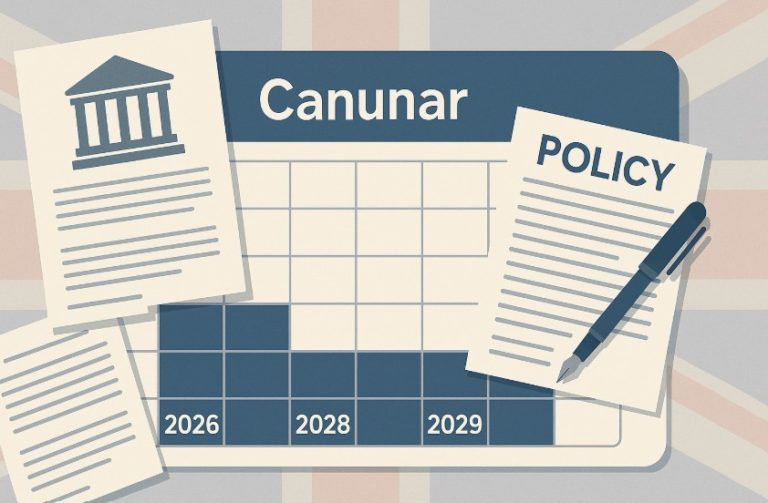
The Labour government’s welfare policy includes above-inflation rises in Universal Credit each year until 2029. The first increase, due in April 2026, will be no less than 2.3%.
However, this comes alongside reductions to the health-related element of Universal Credit for new claimants, which will drop from £105 to £50 per month.
The following table summarises the expected benefit changes:
Expected DWP Benefit Adjustments
| Benefit Type | April 2025 Adjustment | April 2026 Projection |
| Universal Credit | +1.7% | +2.3% (minimum) |
| Personal Independence Payment | +1.7% | +2.3% (minimum) |
| State Pension | +4.1% (£472 annually) | +4.7% (projected) |
| Pension Credit | +1.7% | +2.3% (minimum) |
Pensioners can expect the State Pension to rise to around £241.05 per week from April 2026, offering modest but welcome relief amid continued cost-of-living pressures.
What Financial Support Is Available Apart from Regular DWP Payments?
Beyond standard benefits, several DWP and local authority schemes exist to help those facing financial difficulties. These additional sources of support can provide temporary or targeted relief for specific needs such as rent, food, or utilities.
Budgeting Advance Loans
Claimants receiving Universal Credit can apply for interest-free loans to cover emergency or essential expenses. Repayments are automatically deducted from future Universal Credit payments.
- Single claimants: up to £348
- Couples: up to £464
- Claimants with children: up to £812
From April 2025, the maximum deduction from Universal Credit for loan repayments was reduced to 15% of the standard allowance, easing pressure on household budgets.
Discretionary Housing Payments
Local councils offer this payment to claimants of Housing Benefit or the housing element of Universal Credit who struggle to meet housing costs. The payment can cover:
- Rent shortfalls
- Rent deposits
- Rent in advance when moving home
Eligibility varies by council, and applicants must contact their local authority for details.
Household Support Fund
This fund is designed to help households in financial hardship with essential costs such as food, utilities, and household goods. Administered by local councils, the fund can provide direct payments or vouchers of up to £300 depending on local availability.
The scheme will continue until March 2026, after which it will evolve into the Crisis and Resilience Fund, with £1 billion in national funding to support low-income families.
Charitable Grants
Charitable organisations provide one-off grants to individuals in need, including carers, disabled people, and those recently unemployed. The charity Turn2us offers an online tool to search for available grants based on personal circumstances.
Can Energy and Council Tax Support Help with the Cost of Living?

Energy bills remain a key financial burden for many households. Several major suppliers, such as British Gas, Scottish Power, EDF, and Octopus Energy, offer hardship schemes for those unable to meet payments. Claimants should contact their supplier directly to discuss payment plans or grants.
In addition to energy support, households may qualify for council tax reductions. Councils can reduce bills by up to 100% depending on income and eligibility. Low-income households, pensioners, and those on benefits are typically prioritised for this support.
Where severe hardship is demonstrated, councils also offer discretionary reductions on a case-by-case basis. Applications are usually made through the local council’s online portal.
How Can Parents Benefit from the Free Childcare Scheme in 2025?
The government’s childcare initiative provides 30 hours of free childcare for working parents of children up to four years old. This expansion, completed in September 2025, aims to make childcare more affordable and help parents remain in employment.
Parents must apply through the government’s childcare website and reconfirm eligibility every three months. Applications should be submitted before the start of each school term to ensure continuity.
In addition, parents can access Tax-Free Childcare, which offers 20% back on childcare costs, up to a maximum of £500 annually per child.
This combination of support has been designed to reduce financial pressure on families and encourage workforce participation.
Will the Energy Price Cap Increase Affect DWP Claimants?

From October 2025, Ofgem’s energy price cap rose by 2%, bringing the average dual-fuel annual bill from £1,720 to £1,755. Although the increase is small compared to previous years, it still adds extra strain to household finances already stretched by other rising costs.
The energy price cap limits the amount suppliers can charge for each unit of electricity or gas for those on standard variable tariffs. Most households fall under this category, meaning the change affects a significant portion of the population.
Low-income households receiving DWP benefits may feel the increase most acutely. To help offset these pressures, they can:
- Apply for the Household Support Fund through their local council
- Contact their energy provider to check eligibility for hardship grants
- Seek advice from Citizens Advice or local welfare organisations
Energy efficiency improvements, payment plans, and charitable energy funds are also available to assist those at risk of arrears.
Conclusion
October 2025 brings consistent DWP payment schedules and several financial support options for UK households. With no bank holidays disrupting payments, claimants can expect regular deposits and stability in benefit distribution.
Upcoming benefit increases from April 2026 will also provide some relief amid persistent cost-of-living pressures.
Staying informed and checking eligibility for all available support ensures individuals and families can make the most of their DWP benefits during this crucial period.
Frequently Asked Questions
How can I check the exact date of my DWP payment?
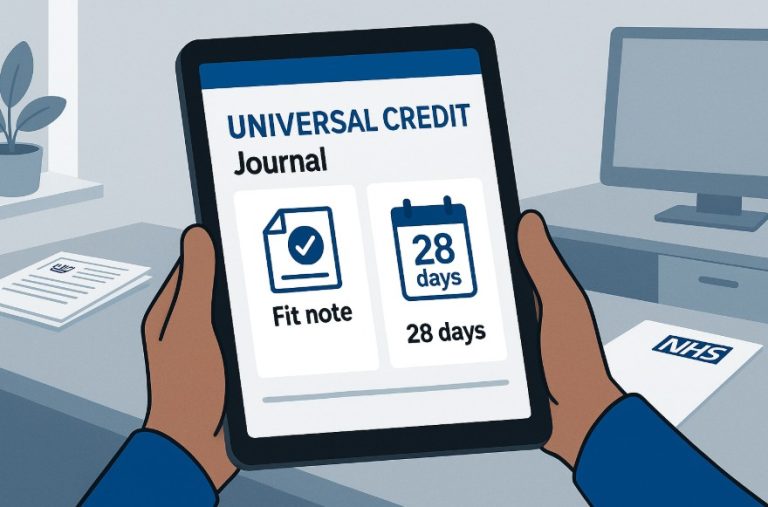
Claimants can log in to their Universal Credit or Pension Service account online to view scheduled payment dates.
What happens if my DWP payment is delayed in October?
Payments may be delayed due to bank processing issues. If this occurs, claimants should contact their bank first and then reach out to DWP.
Are there any extra DWP cost-of-living payments this month?
No new cost-of-living payments have been announced for October 2025, but future support schemes may be introduced closer to winter.
How do I apply for a Budgeting Advance Loan?
Applications can be made through the Universal Credit online portal or by contacting a DWP adviser directly.
Can I still claim both Universal Credit and Housing Benefit?
No, claimants transitioning to Universal Credit will have their Housing Benefit included within the Universal Credit payment.
What’s the difference between Pension Credit and State Pension?
The State Pension is based on National Insurance contributions, while Pension Credit provides additional income for low-income pensioners.
How can I contact DWP for payment-related issues?
Claimants can contact DWP through the official government helpline or the relevant online service for each benefit.