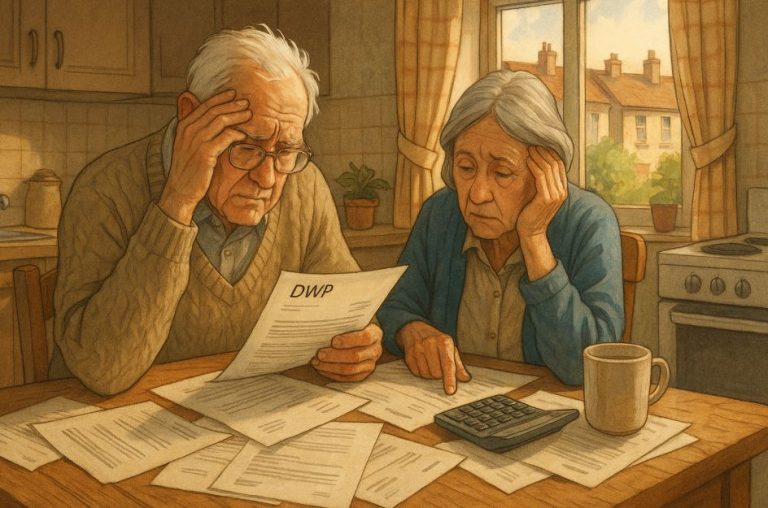
Understanding how the UK State Pension works can be confusing, especially if you’ve never worked or paid National Insurance contributions. Many people assume they won’t qualify, but that’s not always the case.
Through credits, voluntary contributions, and other benefits, there are still ways to receive financial support in retirement. This guide breaks down what you need to know about eligibility, entitlements, and how much you could receive even without a traditional work history.
What Is the State Pension and How Does It Work in the UK?
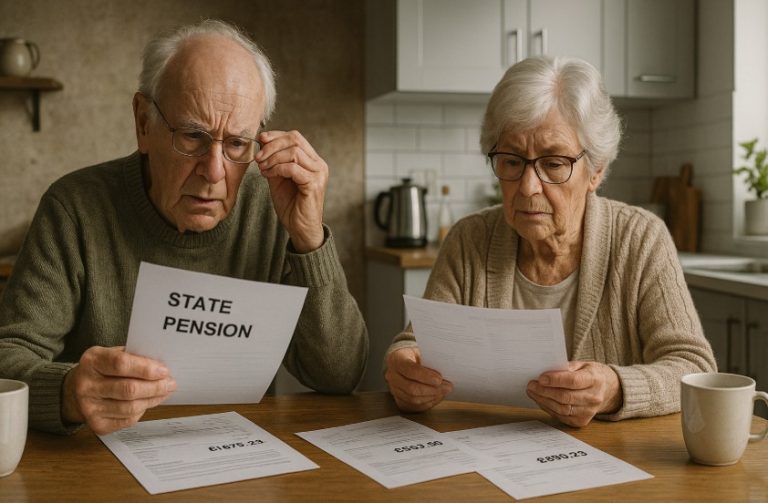
The State Pension is a government-provided regular payment made to people once they reach the qualifying pension age in the UK. It is designed to support individuals in retirement and is typically based on a person’s National Insurance (NI) contribution history.
There are two main types of State Pension in the UK. The Basic State Pension applies to those who reached State Pension age before 6 April 2016. The New State Pension is available to individuals reaching pension age on or after that date.
The type of State Pension someone receives depends on their date of birth and their National Insurance record.
While the system is contribution-based, not having worked does not automatically disqualify someone from receiving payments. Eligibility also considers NI credits, which can be awarded for specific life circumstances.
Can You Get State Pension If You Have Never Worked?

A person who has never worked may still be entitled to a State Pension. Eligibility is not strictly dependent on having a traditional employment history. Instead, it relies on the number of qualifying years built up on the individual’s National Insurance record.
People who haven’t worked but have had valid life circumstances may be credited with qualifying years.
These include:
- Providing full-time care to children or dependent adults
- Receiving Jobseeker’s Allowance or Employment and Support Allowance
- Being on approved training schemes
- Claiming Child Benefit for a child under the age of 12
Such circumstances can contribute toward the minimum number of qualifying years required to access some level of State Pension.
How Do National Insurance Credits Affect Your Pension?
National Insurance credits serve as a substitute for National Insurance contributions during times when a person is not working but is still eligible to build pension entitlement.
Credits are available for specific groups, such as carers, parents, and those who are unable to work due to health conditions or unemployment.
A year qualifies if one or more of the following applies:
- You were employed and paid National Insurance
- You received National Insurance credits through certain benefits or roles
- You paid voluntary National Insurance contributions
If you’re not paying National Insurance due to unemployment, illness, or caregiving responsibilities, you may still earn qualifying years through these credits. They are often awarded automatically but sometimes must be claimed manually.
What Is the Minimum Requirement to Receive State Pension?

To receive any State Pension under the New State Pension system, an individual must have at least 10 qualifying years on their National Insurance record. These years do not need to be consecutive. Each year contributes to building your entitlement.
For those reaching pension age before 6 April 2016, the Basic State Pension rules apply.
The number of qualifying years needed for the full amount varies:
| Birth Group | Required Years for Full Pension |
| Men born between 1945–1951 | 30 years |
| Women born between 1950–1953 | 30 years |
| Men born before 1945 | 44 years |
| Women born before 1950 | 39 years |
If a person does not meet the full number of qualifying years, their State Pension amount will be reduced. A partial pension is calculated based on the number of qualifying years available.
How Much State Pension Can You Expect Without Working?
As of the 2025–2026 tax year, the full new State Pension stands at £221.20 per week. This amount is paid to individuals who have 35 or more qualifying years on their National Insurance record. For those under the Basic State Pension scheme, the full weekly amount is £176.45.
Individuals who have never worked are unlikely to receive the full State Pension unless they have accumulated sufficient qualifying years through credits or voluntary contributions. If a person has between 10 and 34 qualifying years, they receive a proportionate amount.
The State Pension may be subject to tax depending on your overall income. It is treated as taxable income but not subject to National Insurance deductions once it starts being paid.
What Other Benefits Can You Claim If You’re Not Eligible for Full Pension?
For those who have not worked and do not qualify for the full State Pension, there are additional benefits and allowances to help cover essential living costs.
These include:
- Pension Credit for individuals or couples on low incomes
- Attendance Allowance for people with a disability who require care
- Winter Fuel Payment to help with heating bills
- Council Tax Reduction and Housing Benefit for eligible individuals
Pension Credit is particularly relevant for non-working pensioners. It can top up your income to a guaranteed level and may provide access to other benefits such as free dental treatment or a free TV licence for those over 75.
Can You Increase Your State Pension Without Working?
Yes, there are several options available to increase your State Pension even if you’ve never been in formal employment. The most common methods include making voluntary National Insurance contributions or deferring your pension claim.
Voluntary contributions, known as Class 3 NI contributions, allow individuals to fill in missing qualifying years. These are especially useful for people with gaps in their NI record.
As of the current rates, each year costs approximately £907.40, and buying just one year can add over £275 to your annual pension for life.
Deferring your State Pension is another option. By postponing your claim, your payments will increase once you start receiving them. The rate of increase is approximately 1% for every 5 weeks deferred, translating to about 10.4% for each full year.
When Can You Claim the State Pension in the UK?
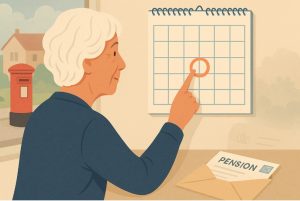
The age at which you can claim your State Pension depends on your date of birth. As of 2025, the qualifying age is 66 for both men and women. This will rise to 67 between 2026 and 2028 and is expected to increase to 68 in later years.
Once you reach the State Pension age, you will receive a letter inviting you to claim. The application can be made online, by phone, or by post. It’s important to check your pension forecast beforehand to understand what you’ll receive and to decide whether to defer.
What Are Common Scenarios for Non-Workers Receiving Pensions?
There are several life scenarios in which individuals who haven’t been formally employed can still receive a State Pension.
These examples help illustrate how credits and other rules work in practice:
| Scenario | Likelihood of Pension Eligibility | How They Qualify |
| Full-time parent | High | Child Benefit NI credits |
| Long-term carer | High | Carer’s Credit or Carer’s Allowance |
| Long-term unemployed | Medium | NI credits through Jobseeker’s Allowance |
| Disabled person | High | Automatic credits via qualifying benefits |
| Spouse without work history | Low (under New Pension rules) | May need voluntary contributions |
These situations demonstrate that even in the absence of direct employment, individuals can build enough entitlement to receive a partial or even full State Pension.
What’s the Difference Between Basic and New State Pension for Non-Workers?
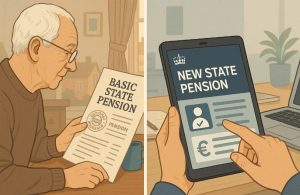
Understanding the distinction between the Basic and New State Pension is essential, especially for those who have not worked. The system changed significantly in April 2016.
The Basic State Pension applies to those who reached pension age before 6 April 2016. It required fewer qualifying years in some cases, and eligibility could sometimes be based on a spouse’s contributions.
The New State Pension, introduced after April 2016, does not allow qualification through a partner’s record. It requires 35 qualifying years for the full amount and a minimum of 10 for any entitlement. All credits must be earned directly by the individual.
Here’s a comparison table to illustrate the differences:
| Feature | Basic State Pension | New State Pension |
| Applicable for | Pension age before Apr 2016 | Pension age from Apr 2016 onward |
| Full Weekly Amount (2025) | £176.45 | £221.20 |
| Minimum Qualifying Years | Varies by age and gender | 10 |
| Full Qualifying Years | Typically 30 | 35 |
| Credits through partner allowed? | Yes | No |
These differences affect how much pension someone who has never worked can receive. Those under the old system may benefit more from partner contributions, whereas those under the new rules must rely solely on their own qualifying record.
Conclusion
Even if you’ve never worked, you may still be entitled to a partial or full State Pension in the UK. By checking your National Insurance record, claiming credits, or making voluntary contributions, you can increase your retirement income.
Understanding your options and planning ahead ensures you won’t miss out on vital financial support later in life. If you think you may be eligible, it’s worth taking action now to secure your entitlement and explore supplementary benefits.
FAQs
Can I claim State Pension with zero National Insurance contributions?
No, you must have at least 10 qualifying years through contributions or credits to receive any State Pension.
Do stay-at-home parents automatically get National Insurance credits?
Yes, if they are claiming Child Benefit for a child under 12, they typically get NI credits automatically.
What is the difference between Pension Credit and State Pension?
Pension Credit is a means-tested benefit for low-income pensioners, whereas State Pension is based on NI contributions or credits.
Is the State Pension amount different for those who reached pension age before 2016?
Yes, those under the old system receive the Basic State Pension and may also qualify for Additional State Pension.
Can I buy extra qualifying years if I’ve never worked?
Yes, you can buy voluntary National Insurance contributions for past years to improve your pension entitlement.
Will deferring State Pension increase my payments if I haven’t worked?
Yes. Deferring boosts your pension by about 1% for every 5 weeks you delay claiming.
How do I apply for National Insurance credits or check my record?
You can check your NI record and apply for credits on the official GOV.UK website.