The question of whether there are any cost of living payments in 2025 for Universal Credit claimants is a pressing one for many households across the UK.
With inflation, high energy bills, and rising living expenses, financial support remains crucial for millions relying on state benefits.
According to the latest update from the UK Government, there are no new cost of living payments scheduled for 2025.
This means the support package offered through the Department for Work and Pensions (DWP) in 2022, 2023, and 2024 has come to an end.
However, while no further cost of living payments are currently planned, other forms of support continue to be available for those most in need.
What Are the Government’s Cost of Living Payments for 2025?
As it stands in 2025, there are no new cost of living payments scheduled for the year. The Department for Work and Pensions (DWP) confirmed that the final round of payments under the cost of living support scheme was completed in February 2024.
These payments were introduced in response to rising living costs, particularly driven by inflation and energy price increases.
Between 2022 and 2024, the government issued several targeted payments to help low-income households.
The payments were delivered in phases, typically ranging between £299 and £326, and were automatically deposited into the accounts of eligible claimants.
Although this series of payments has ended, the government continues to offer alternative support schemes, particularly through local authorities and specific benefit-linked assistance.
Who Is Eligible for the 2025 Cost of Living Payment?
There is currently no eligibility for a 2025 cost of living payment, as no such payment is planned.
The previous support was available to those who were receiving qualifying benefits during specific periods between 2022 and 2024. These benefits included:
- Universal Credit
- Pension Credit
- Income Support
- Income-based Jobseeker’s Allowance (JSA)
- Income-related Employment and Support Allowance (ESA)
- Child Tax Credit
- Working Tax Credit
Eligibility was determined based on receipt of one of these benefits on specific qualifying dates. Payments were made automatically without requiring an application.
If the benefit was reduced to £0 for the qualifying period, also known as a ‘nil award’, then the claimant was typically not eligible.
Some exceptions were made in situations where the benefit was reduced for reasons such as deductions for rent or the issuing of a hardship payment.
When Will the Cost of Living Payments Be Made in 2025?
There are no cost of living payments scheduled for 2025. The last payment was distributed between 6 February and 22 February 2024. These were the final instalments in a government initiative that spanned three years.
The past distribution of these payments followed a set schedule, depending on the benefit type and assessment period.
Payment timelines varied slightly depending on whether the claimant received their benefit from DWP or HMRC.
| Payment Year | Payment Amount | Qualifying Period | Payment Dates |
| 2024 | £299 | 13 Nov – 12 Dec 2023 | 6 Feb – 22 Feb 2024 |
| 2023 | £300 | 18 Aug – 17 Sep 2023 | 31 Oct – 19 Nov 2023 |
| 2023 | £301 | 26 Jan – 25 Feb 2023 | 25 Apr – 17 May 2023 |
| 2022 | £324 | 26 Aug – 25 Sep 2022 | 8 Nov – 23 Nov 2022 |
| 2022 | £326 | 26 Apr – 25 May 2022 | 14 Jul – 31 Jul 2022 |
Payments were made automatically, though in some cases delays occurred when there were changes in payment accounts or eligibility was determined retrospectively.
How Much Will Universal Credit Claimants Receive in 2025?
Universal Credit claimants will not receive any new cost of living payments in 2025. The last payment of £299, aimed at supporting households with rising costs, was made in February 2024.
Claimants who qualified in previous years may have received multiple payments based on their continued eligibility through the relevant assessment periods. These were typically non-taxable and had no effect on existing benefit entitlements.
The amounts varied based on the benefit type and the responsible issuing agency. Below is a breakdown of payments for income-based JSA, ESA, Income Support, and Pension Credit claimants:
| Benefit Type | Payment Amount | Qualifying Period | Payment Dates |
| Income-Based JSA, ESA, Income Support, Pension Credit | £299 | 13 Nov – 12 Dec 2023 | 6 Feb – 22 Feb 2024 |
| Same as above | £300 | 18 Aug – 17 Sep 2023 | 31 Oct – 19 Nov 2023 |
| Same as above | £301 | 26 Jan – 25 Feb 2023 | 25 Apr – 17 May 2023 |
| Same as above | £324 | 26 Aug – 25 Sep 2022 | 8 Nov – 23 Nov 2022 |
| Same as above | £326 | 26 Apr – 25 May 2022 | 14 Jul – 31 Jul 2022 |
These tables provide clarity on the structure of past payments, helping claimants understand if they received the full support they were eligible for.
How Can People Check If They Are Eligible for 2025 Payments?
No checks are required for new payments in 2025, since the scheme is not active this year. However, individuals who believe they qualified for a previous payment but did not receive it can still:
- Contact the office that pays their benefit or tax credit
- Check their online DWP or HMRC account for payment history
- Ensure their banking and contact details are up to date
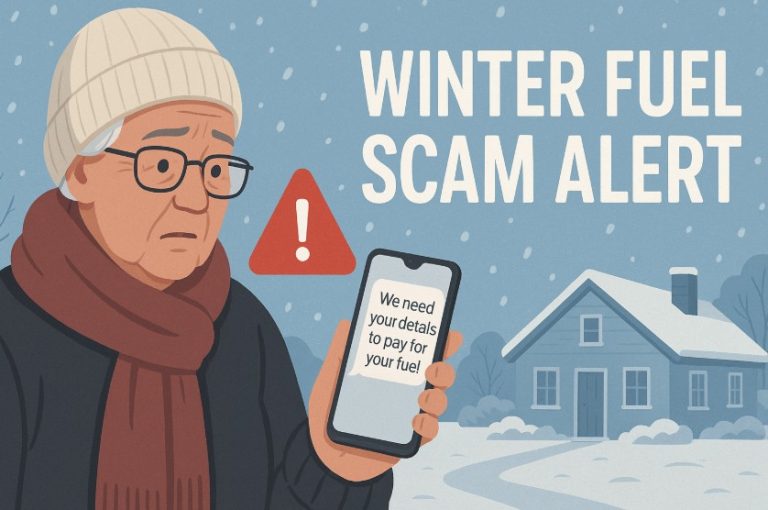
It is important to be cautious of scams. The DWP and HMRC do not request personal information for these payments and will never ask claimants to apply. All qualifying payments are issued automatically.
What Other Financial Support Is Available in 2025?
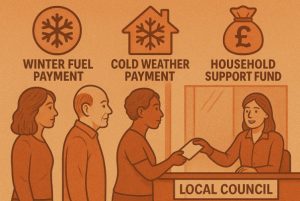
Although the government has officially ended the Cost of Living Payment scheme, there are still a number of financial support options available in 2025 to assist individuals and households struggling with rising costs.
These support mechanisms are typically administered either by central government departments, such as the Department for Work and Pensions (DWP), or by local councils, who are given discretion over how funds are distributed within their communities.
Each scheme has its own eligibility criteria and application process, but they all aim to provide targeted help to those who are financially vulnerable. Universal Credit claimants, low-income households, pensioners, and disabled individuals are among those most likely to qualify for continued support in 2025.
Winter Fuel Payment
The Winter Fuel Payment is a tax-free annual payment made to older people to help them cover the cost of heating during the colder months. It is available to individuals born before a certain cut-off date, which typically changes each tax year.
- Payments are usually made between November and January
- The amount ranges from £250 to £600, depending on age and household circumstances
- Eligibility is automatic for most people who receive the State Pension or another social security benefit (excluding Housing Benefit, Council Tax Reduction, Child Benefit, or Universal Credit)
In previous years, this payment included the Pensioner Cost of Living Payment, which topped up the standard Winter Fuel Payment. However, this additional element is not available in 2025.
Cold Weather Payment
The Cold Weather Payment is a temperature-based payment provided when the average temperature in a claimant’s local area drops to 0°C or below for seven consecutive days. Each seven-day period that meets this threshold triggers a payment of £25.
- The scheme runs between 1 November and 31 March
- It is available to those on income-related benefits, such as:
- Universal Credit (with limited capability for work or with a child under five)
- Pension Credit
- Income Support
- Income-based JSA or ESA
Payments are made automatically and do not require an application. Those eligible will receive the funds in their usual benefit payment account.
Household Support Fund
The Household Support Fund was introduced as part of the government’s wider effort to help low-income families with essential living costs. The fund is managed by local authorities, who allocate grants based on community need.
What the fund can help with:
- Food and groceries
- Utility bills (gas, electricity, water)
- Household essentials (fridges, cookers, bedding)
- Emergency top-ups for prepayment meters
The availability and application process vary by council. Claimants are advised to check their local authority’s website or contact their council directly to find out how to apply.
Some councils offer vouchers or direct payments, while others partner with local charities or support centres.
Discretionary Housing Payment (DHP)
Discretionary Housing Payments are provided by local councils to people who claim Housing Benefit or the housing costs element of Universal Credit, and who need extra help with rent or housing costs.
This support is useful in situations where:
- There is a shortfall between rent and benefits
- Claimants are facing eviction or are in rent arrears
- The benefit cap reduces housing payments
- Claimants are moving to more affordable accommodation and need help with rent in advance or moving costs
Applications for DHP must be made through the local authority. While there is no fixed amount, the support is temporary and often reassessed periodically.
Pension Age Winter Heating Payment (Scotland)
For residents in Scotland, the Pension Age Winter Heating Payment has replaced the traditional Cold Weather Payment. This is part of the devolution of social security powers to the Scottish Government.
- It is a £55.05 annual payment for those above state pension age
- Payments are made automatically to eligible pensioners regardless of temperature
- Delivered by Social Security Scotland
This ensures a consistent level of support for older residents during the winter, without relying on extreme weather triggers.
Help from Local Councils
Beyond government-run programmes, local councils often offer their own discretionary support schemes. These can include:
- Crisis grants for emergencies
- School uniform allowances
- Food bank referrals
- Rent deposit schemes
- Council Tax discounts or reductions
Support levels and application processes vary significantly between councils. It’s essential for residents to visit their local authority’s website or speak with a benefits adviser to explore available options.
In some cases, councils are working with charitable organisations or voluntary sector partners to distribute aid more efficiently.
Other Available Help
Claimants may also access:
- Budgeting Loans: Offered through DWP to those on certain benefits, covering essentials like furniture, rent, or clothing
- Advance Payments: For those new to Universal Credit or awaiting a decision
- Free school meals and clothing grants: For low-income families with children
While these forms of support are not direct replacements for the Cost of Living Payments, they can still offer valuable financial relief to those who qualify.
Proper documentation and communication with relevant departments or local authorities are key to ensuring successful applications.
What Should Universal Credit Claimants Do to Prepare?
To stay informed and maximise available support, Universal Credit claimants should take the following steps:
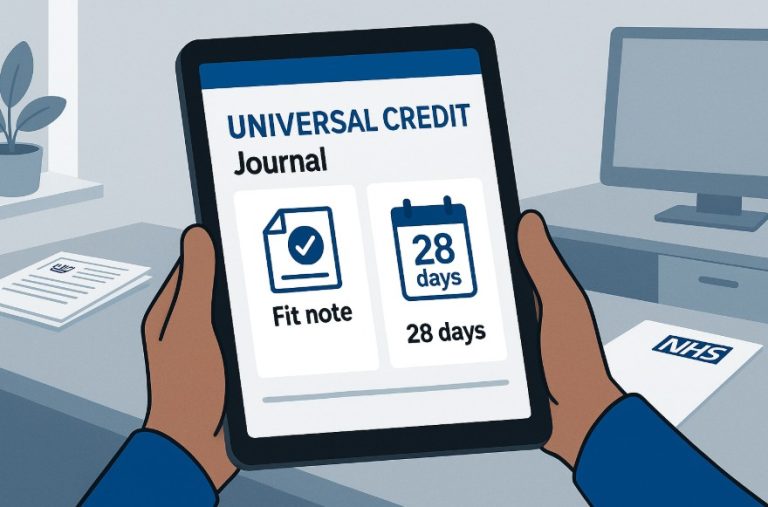
- Update bank and contact details in their Universal Credit journal
- Report changes in income, employment status, or household composition
- Check eligibility for council tax discounts or energy grants
- Be aware of any communications from DWP via official channels only
It is also advisable to explore other budgeting tools and support offered through Citizens Advice and Jobcentre Plus offices.
How Will the Cost of Living Payment Affect Other Benefits?
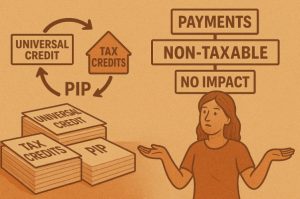
The previous cost of living payments were treated separately from standard benefits and had the following characteristics:
- They were non-taxable
- They did not count as income for benefit calculations
- They did not reduce existing entitlements to benefits or tax credits
However, if it was later determined that a claimant was not eligible, the amount may be reclaimed. This could happen if eligibility dates were incorrect or if the benefit was mistakenly paid during a period of ineligibility.
Claimants with joint claims, such as couples on Universal Credit, received one payment per household. Those receiving both HMRC tax credits and DWP benefits were generally paid by DWP only.
What Has the Government Said About Future Support?
The UK Government has made it clear through official channels that no new cost of living payments will be made in 2025. This position was stated by the DWP following the final payment round in early 2024.
Government ministers have, however, pointed to ongoing inflation-related pressures and the continued availability of existing support schemes. There have been no announcements regarding a replacement for the cost of living payment initiative, but such developments could arise depending on the wider economic landscape.
Support such as Winter Fuel Payments and the Household Support Fund will continue, offering targeted help to those in financial difficulty.
Final Thoughts
While 2025 will not bring new cost of living payments, UK residents receiving Universal Credit and other low-income benefits can still access a range of support options.
The key is to stay informed, maintain up-to-date records with DWP, and explore available assistance through councils and other government programmes.
Frequently Asked Questions
Will the DWP introduce new cost of living payments later in 2025?
There are no confirmed plans for any new payments. However, changes in the economic outlook or a new government initiative could lead to updates later in the year.
Can I still receive the 2024 cost of living payment if I qualified late?
Yes, if you became eligible during the assessment period and your benefit was processed later, you may still receive the payment retroactively.
How do I report a missing cost of living payment?
Contact the office responsible for your qualifying benefit or tax credits. They can verify if a payment was issued or if an error occurred.
Do cost of living payments need to be declared as income?
No, these payments are not taxable and do not affect your existing benefits or tax credits.
What should I do if I received a payment but wasn’t eligible?
If the DWP or HMRC determines you were not eligible, you may be required to repay the funds. You will be notified directly.
Are pensioners receiving any help with living costs in 2025?
Yes, the Winter Fuel Payment and Pension Age Winter Heating Payment (in Scotland) continue to support eligible pensioners.
What are the main alternatives to the cost of living payments?
Winter Fuel Payment, Cold Weather Payment, Household Support Fund, Discretionary Housing Payment, and local council schemes remain the primary sources of support.