Child Benefit is a lifeline for many UK families, especially during times of rising living costs.
So, discovering that the amount has dropped or, worse, stopped entirely, can be confusing and stressful. But there’s usually a reason, and in most cases, it can be identified and potentially corrected.
In this blog, we’ll explore why your Child Benefit payments might have decreased, what steps you can take to resolve the issue, and how to ensure you continue receiving the support you’re entitled to.
What Is Child Benefit and Who Is Eligible in the UK?

Child Benefit is a government payment intended to assist parents or guardians with the costs of raising children.
Managed by HMRC, it is available to anyone who is responsible for a child under the age of 16, or under 20 if the child continues in approved education or training.
To qualify, you must:
- Live in the UK
- Be responsible for a child under 16, or under 20 if in eligible education
- Apply for the benefit, as it is not paid automatically
You are considered responsible for a child if they live with you or if you’re contributing to their upkeep.
Current Weekly Child Benefit Rates (2025)
| Child Type | Weekly Rate |
| Eldest or only child | £25.60 |
| Additional children | £16.95 |
Payments are typically made every four weeks, either on a Monday or Tuesday, directly into a nominated bank account.
Why Might Child Benefit Payments Be Reduced or Stopped?
Discovering a sudden change in your Child Benefit payments can be both confusing and concerning.
There are several key reasons this could happen, and in most cases, they relate to missed updates, changes in personal or household circumstances, or shifts in your child’s situation.
Below, we explore the most common causes for reduced or stopped Child Benefit and explain what steps you should take in each case.
You Did Not Update Your Details on Time
Child Benefit does not automatically continue after your child turns 16. Unless you inform HMRC that your child is continuing in full-time education, approved training, or entering a government-sponsored programme such as joining the armed forces, your payments will stop automatically on 31 August following their 16th birthday.
Even if your child does continue in education or training, if you don’t notify HMRC on time, you may experience a break in payments.
However, you could still receive the missed payments later though they may be delayed.
If your child decides to leave education or training:
You will continue receiving Child Benefit only until the next official payment cut-off date following their 16th birthday. These cut-off dates are:
- 28 (or 29) February
- 31 May
- 31 August
- 30 November
If you fail to update HMRC by these dates, your payments may end and you’ll need to contact them to reinstate eligibility, possibly facing a delay in processing.
Action: Always respond promptly to letters or forms from HMRC asking you to confirm your child’s educational status.
This is especially important in the summer after GCSE or Scottish National Certificate results.
Your Circumstances Have Changed
Changes in your personal, financial, or living circumstances can directly affect the amount of Child Benefit you receive or whether you qualify at all.
HMRC must be notified of any changes as soon as possible to prevent overpayments, underpayments, or discontinued payments.
Here are the most common life changes that may affect your Child Benefit:
Income over £50,000
If you or your partner earns more than £50,000 per year, you are subject to the High Income Child Benefit Charge (HICBC).
This tax charge reduces the value of your Child Benefit gradually. If your income reaches £60,000 or more, the charge equals the total benefit received, effectively cancelling it out.
Tip: You can choose to opt out of receiving payments while still keeping your claim open. This means you retain entitlement and National Insurance credits without having to pay back anything via tax.
Separation or Divorce
In the event of separation, only one parent can receive Child Benefit. Typically, it goes to the person the child lives with most of the time. If custody arrangements change, the benefit may be reassigned.
Changes in Living Arrangements
- Moving home won’t generally affect Child Benefit as long as the child lives with you.
- If you travel abroad, you may continue receiving Child Benefit for:
- 8 weeks during temporary absence
- 12 weeks if you’re abroad for medical treatment
To continue receiving payments, you must remain a UK resident and not be outside the UK for more than a year.
Change in Immigration Status
Your eligibility for Child Benefit may be affected if your immigration status changes. This applies particularly to nationals from the EU, EEA (Norway, Iceland, Liechtenstein) and Switzerland:
- Losing your right to reside can lead to payments being stopped.
- If you are not from the EU/EEA/Switzerland, your right to Child Benefit may also be impacted if your immigration conditions change.
In some cases, your partner may still be able to claim on your behalf.
Your Child’s Circumstances Have Changed
Just as changes in your own situation can affect your benefit, so too can changes in your child’s life. You must inform HMRC of any of the following:
Common triggers that end or reduce payments:
- Your child turns 16 or 20 (if in education/training)
- Your child leaves education or training before age 20
- Your child works more than 24 hours a week in a paid job
- Your child marries or enters a civil partnership
- Your child dies or goes missing
- Your child lives away from you for over 8 weeks continuously
- Your child moves in with a partner permanently
- Your child leaves the UK for more than 12 weeks, unless it’s for school or medical treatment
- Your child is sent to prison for more than 8 weeks
Each of these changes can directly impact your eligibility to receive Child Benefit. If HMRC is not informed in time, you may face overpayments that you’ll be asked to repay, or your payments may stop unexpectedly.
You Have Started Receiving Other Benefits
Child Benefit might also be reduced or stopped if you begin to receive other forms of support. While Child Benefit is typically not affected by Universal Credit or Working Tax Credit, the following circumstances may trigger changes:
- You start receiving payments from your local council (e.g., fostering allowance)
- Another person begins receiving benefits for the same child (such as in shared custody or care situations)
- You become subject to the Benefit Cap, which limits the total amount of benefits a household can receive
If the Benefit Cap applies, you may receive less Child Benefit or see it stopped altogether especially in high-benefit households or where housing benefit and tax credits are also involved.
Summary Table: Common Reasons for Child Benefit Reductions or Stops
| Reason | Impact on Payment | What to Do |
| Didn’t update child’s education/training | Payments stop after 31 August | Notify HMRC immediately |
| Income over £50,000 | High Income Charge applies | Consider opting out or adjusting tax |
| Child starts working full-time | Benefit stops | Report to HMRC |
| Child marries or leaves home | May no longer be eligible | Update living status with HMRC |
| You start receiving other benefits | Child Benefit may be capped or reduced | Check with HMRC and adjust if needed |
| Immigration status changes | May lose eligibility | Seek legal/immigration advice |
| Child goes abroad | May still qualify for 8–12 weeks | Inform HMRC of reason and duration |
How Does the High Income Child Benefit Charge (HICBC) Affect Payments?

If either you or your partner earns more than £50,000 annually, you may be required to pay back some or all of your Child Benefit through the HICBC.
The charge increases gradually and is calculated through the Self Assessment tax return system.
Here’s how income affects the benefit:
| Income Band | Amount of Child Benefit Repaid |
| £50,000 – £60,000 | 1% of the benefit for every £100 over £50,000 |
| Over £60,000 | 100% of Child Benefit repaid via tax return |
You have the option to:
- Continue receiving payments and pay the tax charge later
- Opt out of payments to avoid repaying through taxation, while still protecting National Insurance credits
Many families opt to continue receiving the benefit, then settle the charge through the tax system annually.
Could a Change in Family or Household Income Affect Child Benefit?
Yes, changes in income can significantly impact your eligibility or tax obligations regarding Child Benefit.
While the benefit itself is not means-tested, the income of the highest earner in the household is critical for HICBC calculation.
Scenarios that can affect the benefit include:
- One partner receiving a pay rise that brings their income above £50,000
- Receiving a bonus or additional earnings that push annual income past the threshold
- A partner moving in or out of the household, altering the household’s income dynamic
If your household crosses into the HICBC range, it’s important to report this to HMRC. You may also need to complete a Self Assessment tax return to account for the charge.
What Happens When a Child Turns 16 or 18?
Child Benefit automatically stops on 31 August following the child’s 16th birthday unless you notify HMRC that your child is continuing in eligible education or training.
Approved education or training includes:
- Full-time non-advanced education such as A-levels or Scottish Highers
- NVQs up to Level 3
- Home education (under specific conditions)
- Unpaid approved training courses
When a child turns 18, payments will still continue until their 20th birthday provided they are enrolled in an approved course. If they leave school or start working full time, Child Benefit ends unless specific criteria for extensions are met.
Key Milestones:
| Child’s Age | Action Required | Impact on Benefit |
| 16 | Inform HMRC of continued education/training | Benefit continues if eligible |
| 18 | Continue as long as child remains eligible | Ends at 20 if still in education |
| Left school | Notify HMRC if not returning | Payments will stop |
Can Receiving Other Benefits or Universal Credit Affect Child Benefit?
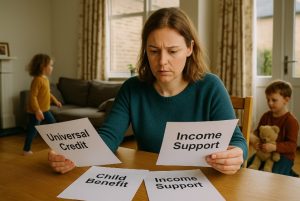
Child Benefit is separate from Universal Credit and does not count as income when calculating your Universal Credit entitlement. However, certain interactions may occur when your overall circumstances change.
You might see adjustments if:
- You begin earning more and this affects Universal Credit
- You stop receiving other benefits, shifting your income levels
- Your household changes and you’re reassessed for multiple benefit types
If you or your child begin receiving benefits in their own right, like Income Support or Employment and Support Allowance, Child Benefit may stop.
What Should You Do If You Receive a Reduced Payment or a Letter from HMRC?
If you notice a drop in your payment or receive a letter from HMRC, act quickly. Delays in response can cause extended payment interruptions.
Here’s what to do:
- Check the date your payment stopped or decreased
- Look for any letters from HMRC requesting updated information
- Update your personal tax account online
- Contact HMRC directly if you missed a deadline
Sometimes, even small changes like a new bank account or postal address can affect your payments. Make sure all your personal details are accurate and up to date.
How Can You Appeal or Challenge a Child Benefit Reduction?
If you believe your Child Benefit has been reduced in error, you can challenge the decision. HMRC offers a process called Mandatory Reconsideration.
Steps to take:
- Contact HMRC to clarify the reason for the reduction
- Request a Mandatory Reconsideration in writing or over the phone
- Provide supporting documents such as school enrolment letters
- Monitor all correspondence and keep a record of your communications
While awaiting the outcome, it’s advisable to continue updating HMRC with any further relevant changes.
Is It Possible to Reclaim Overpaid or Missed Child Benefit?
In most cases, yes. If you missed the 31 August deadline or your payments were delayed due to an error, you can reclaim benefits going back up to three months.
You’ll need to:
- Update your details via the HMRC portal or call the Child Benefit helpline
- Submit any necessary forms, such as form CH297
- Provide proof of eligibility, such as a course or training confirmation
Payment may not be immediate, but HMRC generally processes reinstatements within a few weeks if all documentation is complete.
What Are Some Tips to Avoid Future Reductions in Child Benefit?
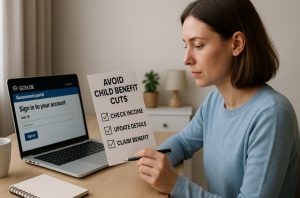
Staying informed and proactive is the best way to ensure uninterrupted Child Benefit payments. A few key strategies include:
- Keep track of your child’s age-related deadlines, especially around August
- Read all letters from HMRC and respond promptly
- Inform HMRC immediately of any changes in education status or living arrangements
- Use the online Personal Tax Account to review your payment history
- Track income to ensure you remain under the HICBC threshold or prepare to repay accordingly
By staying organised and regularly checking your status with HMRC, you can help avoid unplanned reductions or cancellations.
Conclusion
A reduction in Child Benefit can be unsettling, but it’s often a result of missed deadlines or changes in your child’s circumstances. Stay informed, keep records updated with HMRC, and review your entitlements regularly.
Taking action quickly, especially around key dates like 31 August, can prevent unnecessary delays or lost payments. If your payments have stopped, don’t panic. Contact HMRC, update your details, and check your eligibility to have them reinstated.
Frequently Asked Questions (FAQs)
How long can you claim Child Benefit for one child?
Child Benefit can be claimed until your child turns 20, as long as they stay in approved education or training beyond age 16.
What is considered approved education for Child Benefit?
Approved education includes full-time non-advanced courses like A-levels, Scottish Highers, or NVQs up to Level 3.
Can Child Benefit be backdated if you missed the deadline?
Yes, claims can be backdated up to 3 months. Prompt action is essential for reinstatement without further delays.
Does an apprenticeship affect Child Benefit eligibility?
Yes, starting a paid apprenticeship may end your eligibility, unless it’s unpaid and on an approved list.
Can you claim Child Benefit for grandchildren or stepchildren?
Yes, if you are the main person responsible for the child’s upbringing and meet all other eligibility criteria.
Is Child Benefit paid during summer holidays?
Yes, as long as the child remains enrolled in education or training that continues after the holidays.
Can Child Benefit be paid into a joint account?
No, it must be paid into a single account in one person’s name (not a child’s account or a restricted account type).