As the cost of living continues to rise and energy prices remain high, the government’s Winter Fuel Payment has become a crucial lifeline for pensioners across the UK.
Unfortunately, it’s also become a target for scammers. Fraudsters are increasingly sending scam text messages that impersonate the Department for Work and Pensions (DWP), exploiting confusion and recent government policy changes to deceive the public.
These text messages typically claim that recipients need to apply for their “winter heating allowance” or risk losing out on a £300 payment. While they may appear convincing, they are not legitimate.
This article breaks down how to spot a winter fuel allowance scam text, how they operate, and what actions you should take to stay protected.
What Is the Winter Fuel Allowance and Who Is Eligible?
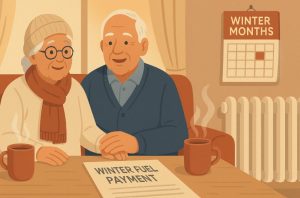
The Winter Fuel Payment is a government initiative designed to help older people in the UK manage their energy bills during the colder months.
Payments are typically issued annually and range between £250 and £600, depending on age and circumstances. The allowance is tax-free and is meant to support those over the state pension age.
Eligibility is primarily based on:
- Being born on or before 22 September 1959
- Living in the UK during the qualifying week, usually in September
- Receiving a qualifying benefit such as State Pension, Pension Credit, or certain income-based benefits
For most eligible people, this payment is automatic, and no application is required. Only those who have never received the payment before (e.g. newly eligible pensioners or those who deferred their State Pension) may need to contact the Department for Work and Pensions (DWP).
Why Are Winter Fuel Allowance Scam Texts on the Rise in the UK?
In recent months, a noticeable increase in winter fuel allowance scams has been observed across the UK.
This surge has been triggered by recent news coverage regarding government changes and confusion around benefit eligibility.
A widely publicised government U-turn concerning winter fuel payments in July 2025 created uncertainty, which scammers were quick to exploit.
Fraudsters used this opportunity to send thousands of fraudulent text messages, capitalising on public concern and lack of clarity.
According to official reports, over 15,100 scam messages related to Winter Fuel Payments were reported to HMRC in June 2025 alone.
Many of these scams imitated government departments and used fake links to harvest personal and financial information.
How Can You Recognise a Fake Government Text Message?
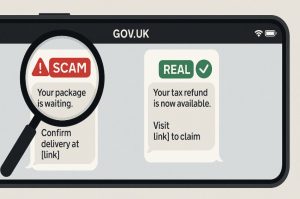
Identifying a scam message quickly can make all the difference in avoiding financial or identity theft. Although these texts are designed to look official, they often contain several warning signs that can help users distinguish between a genuine message and a fraudulent one.
Unusual Language and Urgency
Scam messages often use language intended to trigger panic or a quick reaction. This can include urgent deadlines, warnings about losing a benefit, or prompts to act “immediately.”
Phrases like “last chance to claim your winter heating allowance” or “you must act today to avoid losing your £300 payment” are typical of scam texts. Legitimate government communications rarely use this type of alarmist language.
Suspicious Links
Scammers frequently use URLs that imitate GOV.UK domains to build trust. These may include words like “gov,” “uk,” or “dwp” to appear legitimate at a glance, but they often lead to cloned websites designed to steal information.
For example, a scam message might link to:
gov-apply-uk-support.com/winterfuel
Instead of:
www.gov.uk/winter-fuel-payment
Always avoid clicking on links sent by text, and manually type official addresses into your browser.
Requests for Personal or Banking Information
One of the most obvious red flags is a message that asks for personal or financial information. The Department for Work and Pensions (DWP) has clearly stated that it does not send emails or texts asking for bank details in connection with Winter Fuel Payments.
Legitimate services will never:
- Ask for bank account numbers via SMS
- Request card details to “secure” a benefit payment
- Ask you to make a payment of any kind to access your entitlement
Unknown or Masked Sender Details
Scam texts may appear to come from generic names like “UKGov,” “DWP Alert,” or even real-sounding names that mix upper and lower case letters to confuse the recipient.
Unlike official messages that often follow a secure format or show up in verified message threads, scam messages may originate from:
- Random UK mobile numbers
- International phone numbers
- Short codes with no reply option
If the sender’s information looks unfamiliar or inconsistent, it’s best to treat the message as suspicious.
What Are the Most Common Winter Fuel Payment Scam Techniques?
Scammers use multiple methods to deceive recipients into surrendering sensitive information. Understanding the common techniques can make it easier to avoid falling victim to one.
Phishing Through SMS (Smishing)
Phishing via text message, known as “smishing,” is one of the most prevalent tactics used in winter fuel scams. These messages are crafted to impersonate the DWP or HMRC and often include:
- Fake application forms for the winter fuel allowance
- Payment confirmation prompts requiring verification
- Links to login pages asking for your National Insurance number and date of birth
The primary goal is to steal identity and banking information under the guise of eligibility verification.
Cloned Government Websites
A more sophisticated approach involves creating websites that look nearly identical to official government portals. These sites use copied logos, colours, and language from GOV.UK to make them appear legitimate.
Once on the fake website, users are prompted to:
- Enter full name, address, and date of birth
- Submit bank account or card details
- “Confirm eligibility” or “verify identity” for processing
While these pages might appear harmless, every detail entered can be used in identity fraud or unauthorised financial transactions.
Requests for Small Payments
Some scams lure victims into sharing their card information by requesting a small payment, typically £1. The message might claim that this fee is “refundable” or “required to verify identity.”
Although £1 seems insignificant, entering card details gives scammers access to:
- Card number
- Expiry date
- CVV security code
- Name and billing address
With this information, they can make unauthorised purchases or set up future payments.
Time-Pressured Messages
A recurring tactic in these scams is to create a sense of urgency. Messages often claim that:
- The deadline to apply is today
- The payment will be cancelled if no action is taken within hours
- There’s only a limited window to confirm eligibility
This method exploits human psychology, pressuring people to act quickly without thinking critically or verifying the message.
Impersonation of Real Services
Scammers also adopt the names of trusted services or even legitimate helpline numbers to appear genuine. These might include:
- “DWP Notification”
- “HMRC Fuel Payment”
- “Winter Support”
While they may sound official, such names are not used in unsolicited texts. Real communication from the DWP usually comes via post or through secure messaging if the recipient has an online account.
Who Are the Most Vulnerable to These Scam Texts?
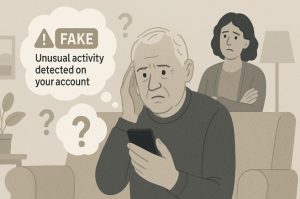
Certain groups are more likely to fall victim to scam text messages due to limited awareness or digital access. Older people, in particular, are common targets due to their eligibility for the Winter Fuel Payment and a general lack of familiarity with online security threats.
Other vulnerable groups include:
- Individuals on low income who rely on government benefits
- Pensioners not regularly using the internet or mobile technology
- Carers or family members of elderly individuals who may not monitor communications closely
Many of these people trust that government messages are accurate and may act on them without verifying the source.
How Can You Protect Yourself from Scam Texts About Government Payments?
Awareness is key to preventing these scams. Recognising a suspicious message and knowing what to do can significantly reduce the risk of identity theft or financial loss.
Here are some recommended steps:
- Never click on links in unsolicited text messages claiming to be from government departments
- Do not share your National Insurance number, date of birth, or bank details through SMS
- Use the free 7726 service to forward and report scam texts to your mobile provider
- Install call and SMS filtering apps that help identify spam and scam attempts
- Always verify claims by visiting the official GOV.UK website directly
Official Advice:
| Action | Response |
| Received a suspicious text | Forward to 7726 and delete it |
| Clicked on a scam link | Do not enter any information, close the page |
| Provided personal details | Contact your bank and report to Action Fraud |
| Unsure about a message | Check the GOV.UK Winter Fuel Payment page |
What Steps Should You Take If You’ve Already Responded to a Scam?
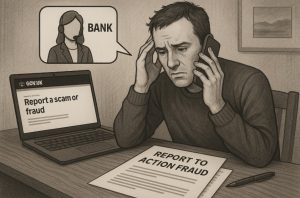
If you believe you’ve shared personal or financial information in response to a scam text, acting quickly is crucial. Immediate steps can limit damage and help authorities take action.
What you should do:
- Contact your bank immediately and explain the situation
- Report the scam to Action Fraud via phone (0300 123 2040) or online
- Notify the DWP if the scam involved any benefits or pension-related details
- Monitor your bank accounts for unusual activity
- Consider registering with CIFAS, a UK fraud prevention service that can help you protect your credit profile
Taking these steps promptly reduces the risk of further exploitation, such as unauthorised transactions or identity theft.
How Can You Help Others Stay Safe from Winter Fuel Allowance Scams?
One of the most effective ways to reduce the spread and impact of scam messages is by sharing accurate information. Fraudsters thrive on misinformation and uncertainty, so community awareness becomes a powerful defence.
You can support others by:
- Informing elderly relatives or neighbours about current scams
- Sharing verified news from government and reputable organisations
- Helping people set up security features on their phones and computers
- Encouraging everyone to report suspicious messages and never click unfamiliar links
Education and communication can significantly reduce the success rate of these scams.
What Are Official Resources for Verifying Winter Fuel Payments?
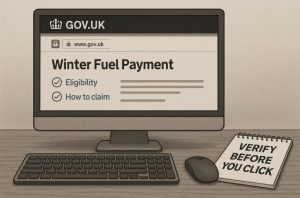
When in doubt, it is essential to refer to official channels. The UK Government offers several trusted resources for verifying benefit-related communications.
Here are some direct links and guidance for checking legitimacy:
| Resource | How to Use It |
| GOV.UK – Winter Fuel Payment | Visit www.gov.uk/winter-fuel-payment |
| DWP Contact Details | Call the Winter Fuel Payment helpline for enquiries |
| Action Fraud | Report scams and receive guidance |
| HMRC Phishing Report | Forward scam emails to phishing@hmrc.gov.uk |
Never rely on phone numbers, links, or email addresses provided in unsolicited texts. Always search for contact details directly through GOV.UK or government-published materials.
Conclusion
The rise of winter fuel allowance scam texts is a concerning trend, particularly given the financial vulnerability of many intended recipients.
While the messages may appear credible, no legitimate government body will ever request personal or banking information via text.
By staying informed, spreading awareness, and reporting suspicious messages, individuals can help prevent fraud and protect not just themselves but their wider communities.
FAQs About Winter Fuel Allowance Scam Texts
What should I do if I receive a suspicious text about the winter fuel allowance?
Ignore it, don’t click any links, and forward the message to 7726 to report it to your mobile provider. You can also report it to Action Fraud.
Are winter fuel payments sent automatically?
Yes, for most eligible people, payments are made automatically. Only those who’ve never received the payment before may need to contact DWP.
How do I know if a GOV.UK link is fake?
Scam links often look like legitimate GOV.UK addresses but may include misspellings or added characters. Always visit official government websites by typing the address directly into your browser.
Who should I contact if I’ve already shared my bank details?
Contact your bank immediately and report the incident to Action Fraud. You may also want to contact the police non-emergency number or use their online reporting tools.
Can scammers use the information I gave to steal my identity?
Yes, even limited personal information can be used in identity theft. If you’ve shared data, monitor your credit reports and consider adding fraud protection services.
What is the number 7726 used for?
7726 is a free number used by UK mobile networks to receive reports of scam messages. Forwarding the message helps them block fraudulent senders.
Is it safe to click on any link in a text claiming to be from DWP or HMRC?
No. You should never click on links in unexpected texts from government departments. Always verify through official websites or contact numbers.