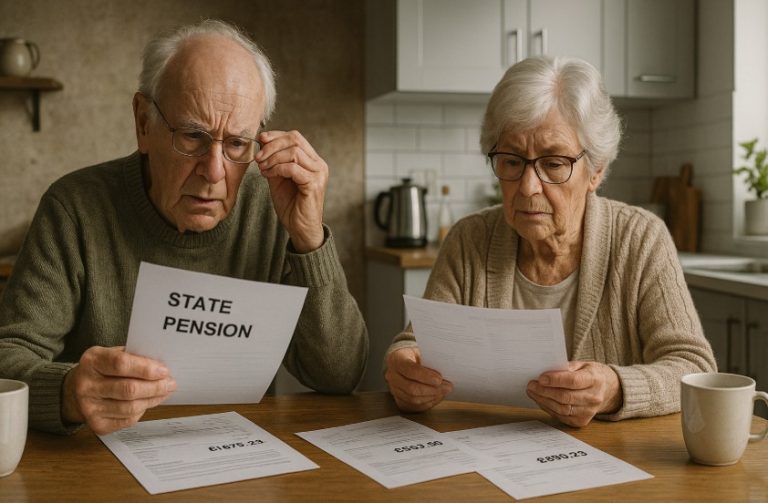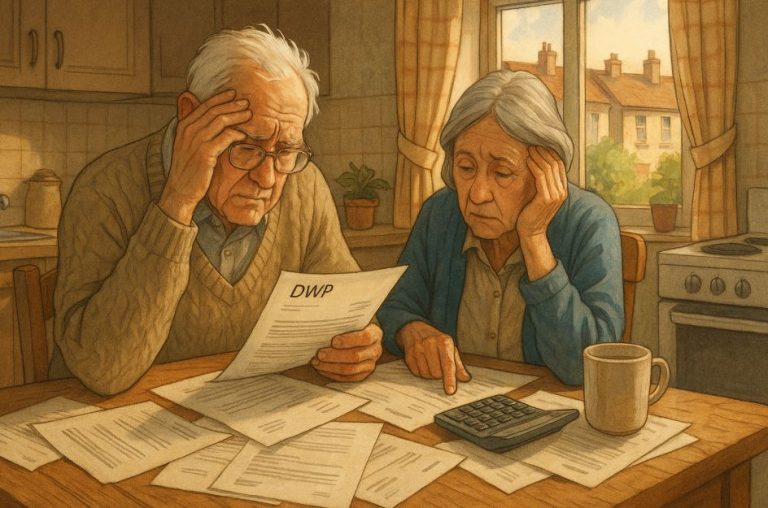
Amid growing online speculation, one particular rumour has recently gained traction: a supposed new £649 per week state pension payment, allegedly backed by a letter from the Department for Work and Pensions (DWP).
However, many of these claims originate from spam websites and misleading social media posts, creating confusion among pensioners and benefit claimants.
It’s crucial to separate fact from fiction when it comes to government support. Let’s break down the reality of this rumour and explore what the DWP has officially stated and what it hasn’t.
The Department for Work and Pensions (DWP) has not made any official statement confirming a £649 per week state pension.
What Is the Origin of the DWP £649 State Pension Rumor?
The rumour surrounding a £649 per week state pension payment appears to have originated from various unverified sources online.
Several websites, often identified as clickbait or spam-driven, began publishing misleading headlines suggesting that the Department for Work and Pensions (DWP) had confirmed a significantly increased weekly pension.
Social media platforms contributed to the spread of the rumour, with posts and shares containing screenshots of what appeared to be official DWP letters or notifications.
Some users referenced a document or form allegedly titled “DWP 649,” creating the impression that this figure was a confirmed payment amount.
In reality, these references were either fabricated or the result of a misinterpretation of internal DWP codes used for correspondence.
Misinformation around benefit payments is not new, and similar claims have been circulated in the past, often gaining traction among vulnerable groups, including pensioners.
It is vital to highlight that there is no official DWP source, press release, or update that confirms or even discusses a weekly state pension rate of £649.
Is There Any Official Confirmation from DWP About the £649 State Pension?
The Department for Work and Pensions has not issued any confirmation about a £649 weekly state pension.
All official updates regarding pension amounts are published on government websites such as gov.uk or announced through trusted media outlets after being confirmed by official departments.
Currently, the maximum new State Pension is £230.25 per week, and any future increases will follow the existing pension uprating policy.
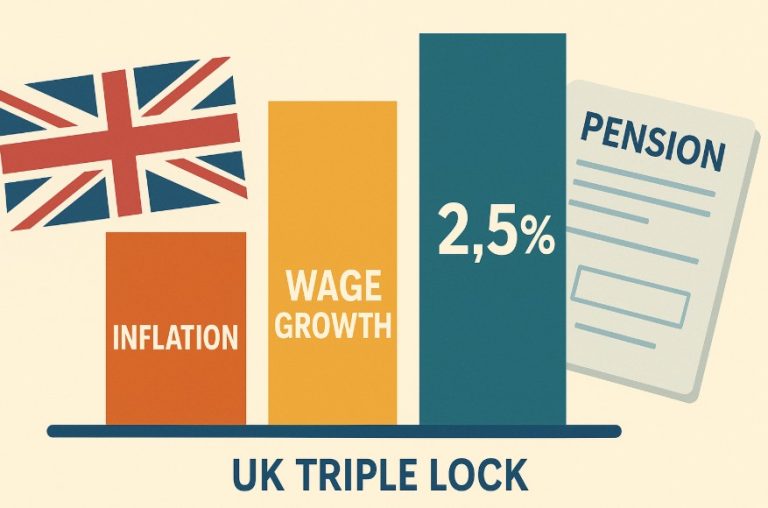
DWP follows a predictable and transparent method for reviewing and adjusting the state pension annually, using the triple lock system.
If such a significant change were to occur, it would require parliamentary approval, appear in official budget announcements, and be subject to public scrutiny.
There are no indications in current government policies or financial statements that such a large increase is planned or even under discussion.
It’s also important to note that official letters from the DWP will include clear references to amounts and eligibility and will never simply use a form number like “649” to suggest a payment amount.
Any such reference is more likely to be an internal code used to track correspondence.
What Does the DWP 649 Letter Actually Mean?
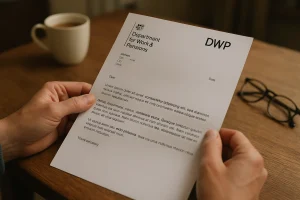
Much of the confusion arises from a lack of understanding around how DWP letters are structured. The term “DWP 649” is not associated with a specific benefit payment or policy.
Instead, DWP correspondence often includes numerical codes used internally for record-keeping and document categorisation. These codes are not indicative of monetary amounts.
In some cases, recipients may misread these letters or share screenshots without context, leading to assumptions that are inaccurate.
The number “649” could be part of a document tracking system, a case reference, or even a department-specific identifier unrelated to payment amounts.
To avoid confusion, it is recommended that individuals:
- Carefully read the full content of any DWP letter they receive
- Avoid assuming that a numerical reference relates to money
- Contact the DWP directly for clarification if uncertain
The DWP encourages individuals to verify any correspondence through official channels. It is also advisable to avoid relying on online forums or social media discussions for factual information about benefit entitlements.
Are Pensioners Getting a Payment Increase in 2025?
Yes, there will be an increase in the State Pension in April 2025 in accordance with the triple lock guarantee.
The triple lock ensures that pensions rise annually by the highest of three measures: average wage growth, inflation as measured by the Consumer Prices Index (CPI), or 2.5 percent.
Due to the rise in average earnings during the previous financial year, projections suggest that the increase for 2025 could be around 8.5 percent.
However, this increase will be calculated from the current full State Pension amount and will not result in a £649 weekly payment.
Here is an illustrative table comparing projected pension amounts based on the 8.5% estimated increase:
| Pension Type | 2024 Weekly Amount | Projected 2025 Weekly Amount (8.5%) |
| Full New State Pension | £230.25 | £249.82 |
| Basic State Pension | £169.50 | £183.89 |
While these increases are welcomed by many retirees, they remain in line with established government policy and are nowhere near the amounts being spread in the rumour.
How Much Is the Current State Pension in the UK?
As of the current tax year, the full new State Pension is set at £230.25 per week. This amount is available to individuals who reached State Pension age on or after 6 April 2016 and have 35 or more qualifying years of National Insurance contributions.
People who reached pension age before April 2016 may be on the basic State Pension, which offers a lower weekly rate, though it may be supplemented by the Additional State Pension or other benefits depending on previous contributions.
The actual amount a person receives can vary based on several factors:
- Number of qualifying years on their National Insurance record
- Whether they were contracted out before 2016
- Whether they qualify for a protected payment due to higher entitlements under the old system
Below is a breakdown of eligibility based on National Insurance contributions:
| NI Contribution Scenario | Eligibility Outcome |
| 35 or more qualifying years (post-2016) | Eligible for full new State Pension |
| Fewer than 35 years (post-2016) | Partial new State Pension |
| Contracted out before 2016 | May require more than 35 years for full amount |
| Paid into Additional State Pension (pre-2016) | May receive a protected payment on top |
For those unsure about their entitlement, it is advisable to use the State Pension Forecast tool available on gov.uk.
This provides an estimate based on your actual NI record and informs you of any gaps you may need to fill.
What Should Pensioners Do If They Receive Suspicious Letters or Messages?
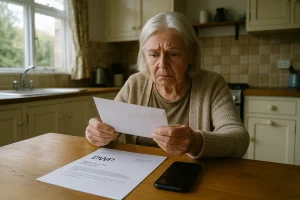
With the growing number of benefit-related scams and viral misinformation online, it’s essential that pensioners know how to respond if they receive letters, texts, emails, or phone calls that seem suspicious.
The rise in false claims, such as the rumoured £649 state pension, highlights the need for vigilance and awareness.
How Can You Tell If a DWP Letter Is Genuine?
Authentic DWP letters follow a specific format and tone. They are usually printed on official stationery and contain clear references to the benefit being discussed. Genuine letters will typically include:
- The full name and address of the claimant
- A clear heading specifying the benefit in question
- A unique National Insurance number or claim reference
- Official DWP contact details and helpline numbers
- Specific amounts and dates relevant to your claim
In contrast, suspicious letters often include vague wording, excessive urgency, or claims of unusually high payments. If a letter mentions a payment amount that is significantly above the standard rate like the £649 figure this should be considered a red flag.
What Steps Should You Take If You’re Unsure About a Letter or Message?
If there’s any doubt about the authenticity of a message or letter, pensioners should avoid taking immediate action and instead follow these steps:
- Do not respond or share any personal details until you’ve verified the message
- Cross-check the information on the official DWP website at gov.uk
- Call the DWP directly using the contact numbers found on the gov.uk website, not those listed in the suspicious message
- Use your online Personal Tax Account to check your benefit status or state pension details
- Keep the letter or take screenshots of the email or text message in case it needs to be reported
Staying calm and methodical can help prevent falling victim to scams or being misled by misinformation.
How to Report a Suspicious Message or Scam Letter?
If a letter or message is determined to be fraudulent or suspicious, it’s important to report it to the appropriate authority. The UK Government has established procedures to deal with these types of scams.
You can report fraud or attempted fraud to:
- Action Fraud: the UK’s national reporting centre for fraud and cybercrime (actionfraud.police.uk)
- The DWP’s Fraud and Error Service: through their online reporting forms or by calling the National Benefit Fraud Hotline
- Your local Citizens Advice: they can help guide you through what to do next and how to protect yourself in the future
Reporting scams not only protects the individual but also helps the authorities track fraudulent schemes and prevent others from being targeted.
Can You Trust State Pension News on Social Media?
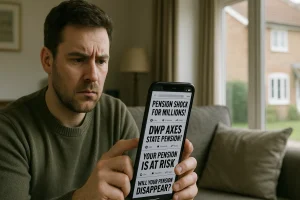
Information shared on social media platforms is not subject to regulatory oversight, which makes it vulnerable to inaccuracies and misinformation.
While social media can be a useful space for community support and news, it is essential that users verify any pension-related content before sharing or acting on it.
False information often circulates in the form of:
- Viral posts with sensational headlines
- Screenshots of allegedly official documents with no source
- Misleading videos or infographics
To ensure information is trustworthy, users should check for:
- Direct links to gov.uk or NHS.uk websites
- Mentions of official government departments or spokespeople
- Reporting from established UK news outlets like BBC, ITV, or The Guardian
Where uncertainty exists, it’s better to consult a financial advisor or contact the DWP directly rather than rely on unverified social media content.
Conclusion
The rumoured £649 DWP state pension payment has no basis in official policy. While it’s true that the State Pension increases annually, no changes matching this claim have been confirmed or announced.
It’s crucial that UK pensioners rely on verified government communications and not viral posts or dubious websites. Stay informed, check your State Pension forecast, and reach out to the DWP for clarity when needed.
FAQs
What is the difference between full and basic state pension in the UK?
The full new State Pension is for those retiring after April 2016 and offers a higher amount based on 35 qualifying years. The basic pension applies to those who reached pension age before that date and is generally lower.
Can a state pension be backdated if someone missed claiming it?
Yes, but usually for no more than 12 months. Backdating requires a valid reason and must be requested directly from the DWP.
How do I check if a DWP letter I received is genuine?
Check for the DWP logo, contact details, and cross-reference the letter’s information with what’s published on gov.uk. You can also call the DWP to confirm.
Are state pension payments affected by other benefits I receive?
No, the state pension is a contributory benefit based on National Insurance. However, it may affect entitlement to means-tested benefits.
How often does the UK government increase the state pension?
Every April, under the triple lock system, ensuring the amount rises by the highest of inflation, wage growth, or 2.5%.
Is it possible to receive pension payments if living abroad?
Yes, but the amount and eligibility for annual increases depend on the country of residence and whether it has a social security agreement with the UK.
Where can I find the latest updates on UK benefits and pensions?
Visit the official UK Government website at www.gov.uk or follow trusted news outlets like BBC or MoneySavingExpert.