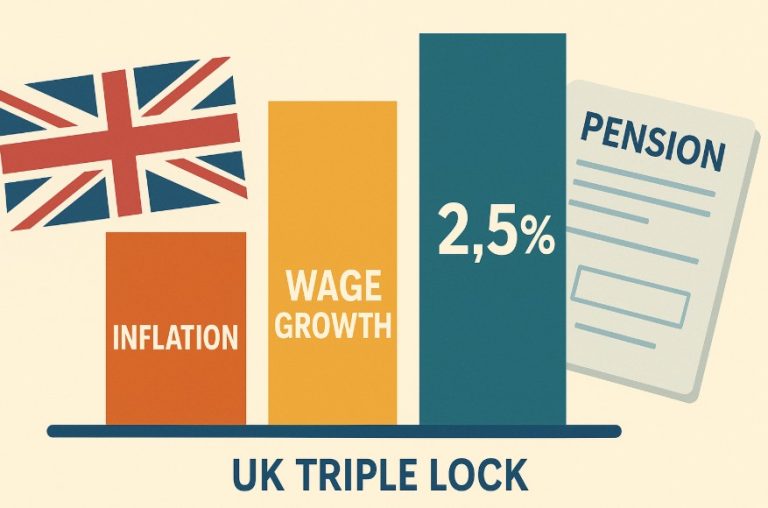
The Department for Work and Pensions (DWP) has launched a major correction exercise after discovering widespread errors in State Pension payments, primarily affecting women.
More than 370,000 people have been contacted, with many potentially owed back payments averaging £8,377.
These underpayments are largely due to missing National Insurance records and overlooked caregiving periods.
This article outlines who qualifies for a refund, how to check your eligibility, and what steps to take if you suspect you’re owed money from the DWP.
What Are DWP State Pension Back Payments and Why Are They Being Issued?
DWP State Pension back payments refer to the money owed to individuals due to historic errors in State Pension calculations.
These errors largely stem from inaccurate National Insurance (NI) records and missing Home Responsibilities Protection (HRP) data.
HRP was a scheme designed to protect parents and carers who had reduced or no income due to their caregiving responsibilities between 1978 and 2010.
The Department for Work and Pensions (DWP), in collaboration with HM Revenue and Customs (HMRC), initiated a correction exercise to identify and rectify underpayments.
This process began after it was discovered that many individuals, especially women, had HRP periods that were either not recorded or improperly applied.
Before May 2000, it was not mandatory to include a National Insurance number on Child Benefit claim forms.
This meant that many individuals who were eligible for HRP had no corresponding record on the DWP’s system, resulting in reduced pension payments years later.
Since the correction programme began, over 370,000 individuals have been contacted. Most of these are women who may have been caring for children or family members and had gaps in their NI contributions.
Who Is Eligible for the £8,300 DWP Pension Refund?
Eligibility for the DWP State Pension refund is determined based on several criteria. Most individuals affected fall into specific demographic groups or life circumstances, including:
- Women who claimed Child Benefit between 1978 and 2010
- Individuals with incomplete NI records due to missing HRP data
- Those who reached State Pension age before 6 April 2016
- Individuals who received a letter from HMRC or the DWP
While the scheme is not limited to women, they make up the vast majority of those affected. This is due to traditional caregiving roles which often left them without the necessary NI contributions to qualify for a full State Pension.
In addition, those who opted out of receiving Child Benefit due to the introduction of the High-Income Child Benefit Charge may also have gaps in their NI records, potentially affecting their State Pension entitlement.
The table below outlines typical eligibility factors:
| Criteria | Description |
| HRP between 1978 and 2010 | Claimants of Child Benefit who qualified for HRP during this period |
| Missing NI number on forms | Older claims without proper tracking in DWP systems |
| Reached pension age before 2016 | More likely to have missed HRP conversion to NI credits |
| Not responded to HMRC communication | Letters urging individuals to check their records may have gone unanswered |
How Can You Check If You’re Owed a State Pension Back Payment?
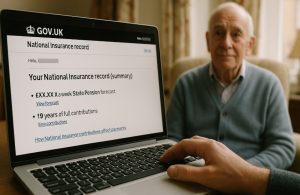
Checking eligibility involves reviewing your National Insurance contributions and verifying whether there are gaps during qualifying years. Individuals can use online tools or contact the relevant government departments.
To check, individuals can:
- Log into their Government Gateway account on GOV.UK
- Review their full NI record and look for missing qualifying years
- Use the HRP eligibility checker if they received a letter
- Contact the Pension Service for support if access to online tools is limited
Those who find discrepancies or believe they qualify for a refund can submit a claim or request a formal review. It is advisable to gather documents related to Child Benefit claims, as this can help support the case.
What Are the Common Reasons for State Pension Underpayments?
State Pension underpayments have affected thousands of people in the UK, and the reasons behind these errors are largely systemic. They span across administrative oversights, legacy systems, and a general lack of awareness among pensioners about how their entitlements are calculated.
The DWP and HMRC have identified several recurring factors that contributed to these underpayments, particularly among women who spent time out of the workforce due to caring responsibilities.
Administrative Errors and Record-Keeping Issues
One of the primary causes of underpayments is poor data capture and processing by government departments over the years.
In many cases, periods of Home Responsibilities Protection (HRP) were not correctly recorded on National Insurance (NI) records.
HRP was introduced in 1978 to protect the State Pension entitlement of people—mainly women—who stayed at home to raise children or care for sick or disabled family members.
Before May 2000, it was not mandatory to provide a National Insurance number when claiming Child Benefit. As a result, HRP credits were often not linked to the individual’s NI record, especially for women who changed their name after marriage or didn’t use a consistent name across government departments. This has led to thousands of cases where qualifying years were not added to a person’s pension record.
Misunderstood Government Communication
Another significant factor is the language and structure used in letters sent by HMRC and the DWP. The terminology, such as “Home Responsibilities Protection”, is outdated and unfamiliar to most recipients today.
These terms were phased out after HRP was replaced with NI credits in 2010, but they remain key to understanding historical pension entitlements.
As a result, many recipients failed to take action even after being contacted. They either did not understand what the letter was asking them to do or assumed it did not apply to them.
For older recipients, especially those with cognitive decline or without support, deciphering bureaucratic language can be especially challenging.
Fear of Fraud and Digital Barriers
In today’s digital environment, many people are cautious about unsolicited letters or emails asking them to share personal information or fill out online forms.
This caution, while understandable, has caused some pensioners to ignore legitimate government communication.
Furthermore, the increasing reliance on digital-only forms and online self-service tools has made it harder for older pensioners to engage with the system.
Many affected individuals are not confident using the internet, do not have access to a computer, or are unsure how to navigate the process securely.
This digital divide has prevented thousands from investigating whether they are owed money.
Lack of Awareness of Entitlement
For many, the root of the issue is simply not knowing that they were entitled to credits in the first place.
Individuals who did not understand how their NI contributions were linked to State Pension calculations were unlikely to realise that caregiving years should have been credited to their record.
This is particularly true for women who assumed that time spent raising children did not impact their retirement benefits.
In addition, individuals who opted out of Child Benefit payments especially after the High-Income Child Benefit Charge was introduced may have done so without realising that this decision could negatively affect their pension by excluding those years from their qualifying record.
How Much Money Are People Receiving from the DWP?
The correction exercise has resulted in substantial refunds for thousands of pensioners. According to the DWP, the average back payment issued is £8,377.
This figure represents the average among more than 12,000 underpayment cases identified in just over one year.
As of March 2025, approximately £104 million in arrears has been paid. The exact refund an individual receives depends on several factors:
- The number of years with missing NI credits
- Whether they qualified for HRP during those years
- The extent to which the underpayment affected their weekly State Pension
The table below highlights key figures from the correction exercise:
| Category | Number / Amount |
| Individuals contacted | 370,000+ |
| Confirmed underpayment cases | 12,379 (as of March 2025) |
| Total arrears paid | £104 million |
| Average refund | £8,377 |
What Should You Do If You Think You’ve Been Underpaid?
Anyone who suspects they may be owed money should take the following steps to begin the process:
- Check their NI record for missing years using the GOV.UK website
- Review whether they were eligible for HRP between 1978 and 2010
- Contact the Pension Service or HMRC if there is any uncertainty
- Submit a claim or request a correction if evidence of a mistake is found
In cases where individuals no longer have access to digital platforms, they can get assistance through telephone helplines, local advice services or family members.
It’s important to note that you do not need to have received a letter from HMRC to be eligible. Anyone meeting the criteria can initiate a review independently.
Can You Still Claim If You’ve Reached State Pension Age After 2016?
Yes, though the eligibility and conditions differ slightly. Since April 2016, the UK introduced the New State Pension, simplifying the system and combining previous elements into a single structure.
However, transitional protections were put in place for those who had accrued rights under the old system.
For those reaching State Pension age after 6 April 2016:
- HRP periods were automatically converted into NI credits where applicable
- Any remaining gaps in NI contributions can still affect pension outcomes
- Individuals can still review and correct their NI record if errors occurred prior to 2010
Those affected are encouraged to fill any gaps either by backdating a claim if they were eligible for Child Benefit, or by making voluntary contributions. This ensures they can receive the full State Pension amount based on their qualifying years.
How Is the Government Handling These Back Payments Going Forward?
The DWP has implemented a correction programme aimed at identifying and rectifying all cases of underpayment.
The process includes the dispatch of letters to individuals potentially affected and the automation of cross-referencing NI records with historical HRP claims.
The department has also released regular updates detailing the progress of the scheme. Despite these efforts, experts continue to point out significant challenges, such as public misunderstanding, digital access issues and a general lack of awareness.
To improve the process, the government has:
- Introduced simplified guidance for checking NI records
- Allowed multiple contact options including phone support
- Continued to issue reminder letters to those who have not yet responded
However, the success of the scheme still relies heavily on public engagement. Pensioners are being urged to take initiative and check their records even if they haven’t received a formal notification.
What Are the Expert Recommendations for Pensioners?

Pensions experts have consistently highlighted the need for awareness and proactive checking.
Helen Morrissey, head of retirement analysis at Hargreaves Lansdown, has emphasised that many individuals simply do not realise they may be missing out on significant sums.
Recommendations include:
- Checking your NI record at least once a year
- Reviewing any gaps between 1978 and 2010 for eligibility under HRP
- Contacting HMRC or the Pension Service if unsure about your record
- Seeking help from trusted organisations if you have difficulty understanding the process
The advice also extends to family members of older individuals. Encouraging a parent or relative to review their pension record could result in uncovering thousands of pounds in unclaimed entitlement.
Conclusion
The DWP State Pension back payments correction scheme is a critical initiative aimed at rectifying decades of pension underpayments.
While significant progress has been made, awareness and action remain key to ensuring no one is left behind.
If you or someone you know may be affected, don’t delay. Checking your National Insurance record and understanding your pension entitlements can make a significant financial difference.
With average refunds over £8,000, it’s well worth the time and effort to investigate and claim what you may be rightfully owed.
Frequently Asked Questions
Are DWP pension back payments taxable?
DWP back payments are not typically taxed as regular income for the year they were due. However, they may impact your finances depending on when they’re paid.
How do I find out if my NI record has gaps?
You can view your NI record through your Government Gateway account on GOV.UK. It shows each year’s contribution status.
Can men also qualify for DWP pension back payments?
Yes, though women are the most affected, men can also be eligible in specific cases, such as widowers or carers with gaps in their NI record.
How long does it take to receive the DWP refund after applying?
Once a claim is confirmed, payments are usually processed within a few months. However, timing may vary depending on the complexity of the case.
Will claiming a back payment affect my current State Pension?
No, it should not negatively affect your current pension. The payment is a correction for previous underpayments.
Can I get help with filling out the form?
Yes, assistance is available from Citizens Advice, family members, or the Pension Service by phone.
What if I threw away the HMRC letter?
Even without the letter, you can still contact HMRC or the DWP to check your eligibility and make a claim.