In the UK, a TV licence is legally required to watch live television or use BBC iPlayer. However, some pensioners may be eligible for a free or discounted licence.
Understanding who qualifies, how to apply, and what documentation is needed can help older individuals access this essential service affordably.
This guide outlines the current rules, eligibility criteria, and concessions available to ensure pensioners and vulnerable residents stay informed and compliant with TV licensing regulations.
What Is a TV Licence and Why Is It Required in the UK?
A TV licence is a legal requirement for anyone in the UK who watches or records live television broadcasts or streams programmes on BBC iPlayer.
This includes using televisions, laptops, tablets, or smartphones to view live content.
The revenue collected from TV licences is primarily used to fund BBC programming, including national television, radio, and digital content.
It helps maintain a public broadcasting service free from commercial advertising, ensuring that all viewers have access to unbiased and educational content.
The standard cost of a TV licence is currently £159 per year. It applies to every household unless a valid exemption or discount is in place.
Failure to hold a licence when required can result in fines of up to £1,000, as well as potential court proceedings.
Who Is Eligible for a Free TV Licence in the UK?
Not all pensioners are entitled to a free TV licence. Since August 2020, only those aged 75 and over who are also receiving Pension Credit (Guarantee Credit) qualify.
This applies to both single individuals and couples where one partner receives the benefit.
Eligibility criteria include:
- The applicant must be aged 75 or over
- The applicant or their partner must receive Pension Credit (Guarantee Credit)
- The property must be their main residence
Applicants can begin the application process at age 74 if they are already receiving Pension Credit.
The licence becomes free on the first day of the month following their 75th birthday. Until then, a standard licence must still be paid for.
This exemption helps reduce financial pressure for elderly individuals who may be living on a low income. Once granted, the free TV licence covers all residents living at the same address.
How Can Pensioners Apply for a Free TV Licence?
Applications can be submitted online or via telephone. The process is straightforward, but applicants should have all necessary documentation ready to speed up verification.
Information such as the National Insurance number and evidence of Pension Credit status is essential.
Application Methods
- Online via the official TV Licensing website
- Telephone support available at 0300 790 6071
- Minicom line for the hearing impaired at 0300 790 6050
Applicants will need to provide their date of birth, address, and proof of benefit. If applying at age 74, the standard licence remains payable until the month before turning 75.
After that, the licence is automatically updated to free status.
Can People in Residential Care or Sheltered Housing Get a Discounted TV Licence?
Yes, individuals living in supported accommodation may qualify for a concessionary TV licence, which significantly reduces the annual cost.
This licence is priced at £7.50 per year and is intended for specific categories of residents who may not qualify for a full exemption.
To be eligible, the applicant must:
- Live in a residential care home, supported housing, or sheltered accommodation
- Be either retired and over 60 years old, or disabled
This concession is not applied for by the resident directly. Instead, the housing manager or administrator of the accommodation must assess eligibility and submit the application on the resident’s behalf.
Each person living in the facility who meets the criteria will be issued a separate licence at the reduced rate.
This benefit ensures that those in communal living environments who are often on limited incomes can still access television services affordably.
Are Registered Blind Individuals Eligible for a Discounted TV Licence?
Individuals who are registered blind or severely sight impaired are entitled to a 50% discount on their TV licence.
This concession acknowledges the limitations in accessing visual content and reduces the financial burden.
To qualify, the following conditions must be met:
- The applicant must be registered blind
- The licence must be in the blind person’s name
If the existing TV licence is under someone else’s name, a new application must be submitted to transfer ownership. Applicants must also provide proof of blindness in the form of a CVI (Certificate of Visual Impairment) or BD8 certificate issued by an ophthalmologist.
If the blind individual lives with others, the discounted licence still covers the entire household, provided it is registered in their name.
What Documents or Proofs Are Required During the Application?
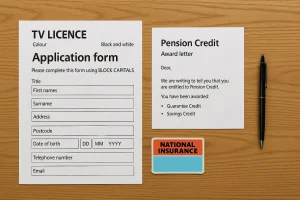
The application process for a free or discounted TV licence requires specific documentation to verify eligibility. This ensures that the benefit reaches only those who meet the government’s qualifying criteria.
Required Documents Include
- A current Pension Credit (Guarantee Credit) award letter
- National Insurance number
- Certificate of Visual Impairment (CVI) or BD8 form for blind applicants
- Confirmation of address and identity
- Housing verification from care facility managers (for concessionary licence)
Incorrect or incomplete documents can delay the application process, so it is essential to prepare these in advance.
What Happens If You Stop Qualifying for a Free TV Licence?
Losing eligibility for a free TV licence can occur due to changes in personal circumstances or benefit status. When this happens, it’s essential to take action to remain compliant with the law and avoid fines.
Common Reasons for Losing Eligibility
A pensioner may no longer qualify for a free TV licence for several reasons:
- They are no longer receiving Pension Credit (Guarantee Credit)
- Their partner, who was the qualifying recipient of Pension Credit, no longer receives it
- They move to a new address where the eligibility does not carry over
- They move in with others who do not receive the qualifying benefit
- There is a change in residency status, such as moving into a private care home without concessionary arrangements
How to Notify TV Licensing?
If your circumstances change, you must inform TV Licensing immediately. This can be done through:
- The TV Licensing website, where you can update your details
- Calling the helpline on 0300 790 6071
Failing to update your eligibility status could result in receiving notices for unpaid licence fees or, in serious cases, legal action.
Switching Back to a Paid Licence
Once the free licence is no longer valid, you’ll need to purchase a standard or concessionary licence based on your current circumstances. The options include:
- Paying the full fee of £159 annually
- Applying for a blind concession (if eligible)
- Applying through your care home (if newly eligible for the £7.50 rate)
TV Licensing usually sends renewal notices with the updated amount payable. It’s important to ensure timely payments to avoid gaps in coverage.
Are There Any Other TV Licence Discounts or Concessions?
In addition to the over 75s on Pension Credit and registered blind individuals, other groups may also be entitled to reduced-cost TV licences.
While these do not provide a full exemption, they help reduce financial pressure on those in specific circumstances.
Additional Concessions Include
- Students living in university accommodation may be covered under an institutional licence
- Business premises require individual commercial licences
- Residents of second homes must purchase a separate licence for that property
Pensioners who are not receiving Pension Credit but feel they may be eligible should consider applying for the benefit, as this could unlock the free TV licence entitlement.
How Can Pensioners Check Their Eligibility Easily?
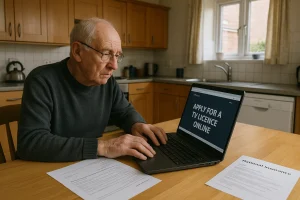
To ensure accurate and up-to-date information, pensioners can access several tools and services that help confirm their eligibility. This reduces confusion and ensures that those who qualify can apply without delay.
Ways to Check Eligibility
- Use the eligibility checker on the gov.uk website
- Visit the official TV Licensing website for up-to-date criteria
- Contact the Department for Work and Pensions (DWP) to confirm benefit status
- Seek advice from a housing officer or welfare advisor
These resources provide clear guidance on who qualifies, how to apply, and what supporting documents are needed.
What Are the Common Misconceptions About Free TV Licences for Pensioners?
There are several misunderstandings surrounding the availability of a free TV licence for pensioners in the UK. These misconceptions can lead to confusion, missed opportunities, or legal issues.
Common Myths Include
- Believing all over 75s qualify automatically
- Assuming the licence is granted without an application
- Thinking all state pension recipients qualify
- Assuming eligibility remains even after benefits stop
Understanding the correct criteria helps ensure that only those who genuinely qualify receive the benefit.
How Does the TV Licence Support Public Broadcasting in the UK?
The TV licence remains the primary funding source for the BBC and its services, including television, radio, and digital platforms.
The licence fee enables the organisation to operate independently of commercial influence and provide educational, cultural, and entertainment programming to all UK households.
Pensioners who are still required to pay or who opt for discounted licences contribute to maintaining the quality of British public broadcasting.
This ensures continued access to trusted news, children’s content, and national programming.
TV Licence Discount Types and Eligibility
| Discount Type | Annual Cost | Who Qualifies | Application Method |
| Standard Licence | £159 | General public | TV Licensing website |
| Free Licence (75+ + PC) | £0 | Over 75s receiving Pension Credit | Online or phone |
| Registered Blind Discount | £79.50 | Registered blind or severely sight impaired | Online with documentation |
| Concessionary Licence | £7.50 | Over 60 or disabled in care home | Housing manager applies |
Conclusion
A free or discounted TV licence can provide meaningful financial relief for pensioners in the UK, particularly those receiving Pension Credit or living in supported housing.
By understanding the eligibility criteria and following the correct application process, older residents can continue accessing television legally and affordably.
Staying informed and checking benefit entitlements regularly is key to ensuring compliance and making the most of available concessions.
For more details or to apply, visit the official TV Licensing website or contact their support team.
Frequently Asked Questions
Can I get a free TV licence if I live with someone who gets Pension Credit?
Yes, if you are 75 or over and live with a partner who receives Pension Credit, you’re eligible for a free licence.
Is the TV licence automatically free when I turn 75?
No, it is not automatic. You must apply and be in receipt of Pension Credit to qualify for a free licence.
What if I don’t claim Pension Credit can I still get a free licence?
No, Pension Credit is a required condition for getting a free TV licence if you are aged 75 or over.
Can carers or family members apply on behalf of pensioners?
Yes, authorised individuals can help apply on behalf of eligible pensioners, especially if they manage finances or provide support.
Do I need a separate licence for each device?
No, one licence covers all devices in a single property or address. You don’t need individual licences for each device.
How long does it take to get approved for a free licence?
Processing times vary, but most applications are processed within a few weeks. Ensure all documents are submitted correctly to avoid delays.
Can the TV licence be refunded if I qualify later in the year?
Yes, refunds can be requested if you become eligible partway through the year. Contact TV Licensing for refund procedures.