Personal Independence Payment (PIP) is a vital benefit designed to support individuals living with long-term health conditions or disabilities.
However, like all government benefits, it can be subject to misuse. If you suspect someone is falsely claiming PIP, it’s important to know how and when to report it responsibly.
This guide explains the process of reporting, what happens after you make a report, and how the Department for Work and Pensions (DWP) handles benefit fraud investigations.
What Is PIP and Who Is Eligible to Claim It?
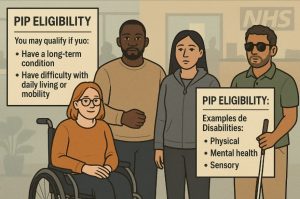
Personal Independence Payment, commonly known as PIP, is a UK government benefit for individuals who require support due to long-term health conditions or disabilities.
It is non-means-tested and consists of two parts: the daily living component and the mobility component.
Eligibility is based not on the condition itself but on how the condition affects the individual’s ability to perform everyday activities.
Assessments are conducted by independent healthcare professionals who evaluate the claimant’s level of difficulty and the support they require.
Claimants must be aged 16 or over and under State Pension age. They also need to have had difficulties for at least three months and expect them to continue for at least nine months.
The application includes both written documentation and, in most cases, a face-to-face or telephone assessment.
What Constitutes PIP Fraud in the UK?
PIP fraud involves intentionally misleading the Department for Work and Pensions (DWP) to receive Personal Independence Payment(PIP) when the person is not entitled to it. This is considered a serious offence under UK law and can lead to prosecution and recovery of funds.
Deliberate Misrepresentation of Disability
One of the most common forms of PIP fraud is when someone falsely claims to have a disability or exaggerates the severity of their condition. This includes situations where:
- The person fabricates symptoms entirely
- They claim they cannot perform daily activities, but evidence shows otherwise
- They attend medical assessments with exaggerated behaviour that doesn’t match actual limitations
Deliberate misrepresentation is a clear indication of fraud and is treated seriously by the DWP.
Failure to Report a Change in Circumstances
Another form of fraud occurs when claimants fail to report improvements in their health or personal circumstances. Examples include:
- Recovery from an injury or illness that initially justified the claim
- Starting a job that increases income or physical activity
- Gaining access to new support (e.g., live-in carers) that reduces dependency
Claimants are legally obligated to report any such changes that may affect their benefit entitlement.
Using False or Fraudulent Documentation
In some cases, individuals submit false evidence to support their claims. This could include:
- Forged medical reports
- False identity documents
- Fabricated supporting letters or financial records
These forms of deception are criminal offences and often result in more severe penalties due to their calculated nature.
Claiming on Behalf of Someone Else Fraudulently
This type of fraud involves an individual claiming PIP for another person without their knowledge or by misrepresenting the situation. Examples include:
- Carers or family members applying without full disclosure
- Using the identity of a deceased person
- Mismanaging funds for someone with limited capacity
These cases are often discovered during cross-checks or routine benefit reviews.
How Can Someone Report PIP Fraud Anonymously?

Reporting benefit fraud can be done anonymously and confidentially. You are not required to provide your name or contact details.
However, the more information you can supply, the more effectively the DWP can assess the situation.
Key details that are helpful when submitting a report:
- Full name of the person suspected of fraud
- Their address or location
- Specific information about the suspected fraudulent behaviour
- Dates, times, and other observations that support the suspicion
Reports can be submitted using one of the following methods:
Online
You can complete an online form on the official government website by visiting www.gov.uk/report-benefit-fraud. The form guides you through a series of questions to ensure accurate submission.
Telephone
You can report by phone by contacting the National Benefit Fraud Hotline (NBFH):
- 0800 854 440 (Standard)
- 0800 328 0512 (Textphone)
- 0800 678 3722 (Welsh language service)
The phone lines operate Monday to Friday, from 8am to 6pm.
Postal Reporting
If you prefer, you can write and send your report to:
Mail Handling Site A
Wolverhampton
WV98 2BP
All communications are handled securely, and your information remains confidential.
British Sign Language (BSL) Service
A video relay service is available for British Sign Language users. This service works best on desktop computers and allows users to interact with trained advisors using sign language.
What Happens After Reporting Someone for PIP Fraud?
After a report is made, it goes through a formal evaluation process handled by the DWP’s Fraud and Error Service. The process is designed to verify the accuracy of the report and determine whether further investigation is warranted.
Initial Review and Risk Assessment
When the DWP receives a report, the first step is a desk-based assessment. Trained officials assess whether the information provided is:
- Specific and credible
- Relevant to the claimant’s existing benefit status
- Likely to result in an actionable case
If the report lacks detail or seems malicious, it may not progress beyond this stage.
Launching a Formal Investigation
If the initial review suggests a potential fraud, the DWP may begin a formal investigation. This stage can involve:
- Reviewing benefit records and past communications
- Surveillance (in some cases)
- Contacting employers, medical professionals, or local authorities
- Reviewing bank transactions or financial activity
Investigations are conducted discreetly and can take several weeks or months depending on complexity.
Types of Evidence Collected
Investigators typically gather different types of evidence depending on the suspected fraud. These may include:
- CCTV or in-person observations
- Medical assessments from independent consultants
- Financial audits and employment history
- Recorded inconsistencies in claim forms or interviews
This evidence helps the DWP make an informed decision about the legitimacy of the claim.
Possible Outcomes of the Investigation
Once the investigation is complete, the DWP may reach several outcomes, which can include:
| Outcome | Description |
| No Action | The person has complied with the rules or already reported changes |
| Warning or Sanction | A minor breach may lead to a temporary suspension or caution |
| Repayment Request | Overpayments are calculated and reclaimed from the claimant |
| Legal Proceedings | Severe fraud cases may lead to prosecution and criminal charges |
Why Outcomes Aren’t Shared With the Reporter?
To protect the rights and privacy of all individuals involved, the DWP does not inform the person who reported the fraud of the investigation’s outcome. This ensures fairness in the process and helps prevent potential misuse of the reporting system for personal grievances.
Can You Report PIP Fraud Online or by Phone?
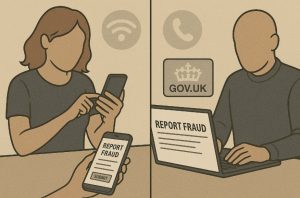
Yes, the DWP offers multiple channels to report suspected PIP fraud. These channels are accessible to individuals across the UK and cater to various needs, including those requiring accessibility options.
Below is a summary of the available methods:
| Method | Contact Details | Availability |
| Online | gov.uk/report-benefit-fraud | 24/7 |
| Phone | 0800 854 440 | Monday to Friday, 8am–6pm |
| Textphone | 0800 328 0512 | Monday to Friday, 8am–6pm |
| Welsh Language Line | 0800 678 3722 | Monday to Friday, 8am–6pm |
| Post | Mail Handling Site A, Wolverhampton, WV98 2BP | N/A |
| BSL Service | Through GOV.UK BSL Relay | Based on user access times |
Each report is reviewed for credibility and is processed in accordance with the DWP’s fraud investigation protocols.
What Are the Legal Consequences of Falsely Claiming PIP?
If the DWP confirms that someone has been falsely claiming PIP, the penalties can be significant. The severity of the punishment often depends on the amount fraudulently claimed and whether the offence was repeated or organised.
Possible legal actions include:
- Requiring the individual to pay back all overpaid benefits
- Imposing financial penalties or fines
- Withdrawing or suspending further benefit payments
- Initiating criminal proceedings, which can result in prosecution
Conviction in serious cases may lead to a custodial sentence, especially if fraud is committed in conjunction with other criminal activities such as identity theft or organised fraud rings.
The DWP also has the power to impose administrative penalties even if the case does not proceed to court. This could involve reduced future payments or additional checks on future claims.
How Can You Be Sure Someone Is Falsely Claiming PIP?
Determining whether someone is genuinely committing fraud can be challenging. Many disabilities are not visible, and conditions like mental illness, chronic pain, or neurological disorders may not manifest in a way that’s obvious to observers.
Before deciding to make a report, consider:
- Whether the person’s behaviour consistently contradicts their claimed condition
- If there is any clear and reliable evidence, such as visible employment or physical activity beyond their stated limitations
- Whether there might be an alternative explanation for their behaviour
PIP assessments are thorough, and claimants go through interviews, documentation reviews, and regular reassessments. A person may appear capable in one situation but still have legitimate needs.
It is important to avoid jumping to conclusions or making reports based on personal disputes or assumptions. Misuse of the fraud reporting system can lead to unnecessary investigations and stress for innocent individuals.
Why Is Reporting Benefit Fraud Important for the Public?

Although the welfare system is designed to support those in need, fraudulent claims reduce the available funds for genuine claimants. Reporting fraud helps preserve public resources and supports the integrity of the welfare system.
Benefit fraud impacts:
- Taxpayer money and national budgets
- Trust in government programmes
- The fairness of distribution for those with legitimate needs
Making a report ensures that support is prioritised for those who meet the eligibility criteria and require financial aid to manage their conditions.
Conclusion: Should You Report PIP Fraud If You’re Not Sure?
If you have reasonable cause to suspect someone is misusing the PIP system, reporting it may be the right thing to do. However, accusations should never be made lightly.
Many medical conditions are invisible, and misunderstandings can occur. Always ensure that your concerns are based on consistent and verifiable information.
The welfare system relies on fairness, and by using the correct reporting procedures responsibly, citizens can help ensure support goes to those who truly need it.
FAQs About Reporting PIP Fraud
What information do I need to report PIP fraud?
You should provide the person’s name, address, and specific details of the suspected fraud. The more accurate the information, the better.
Can I get into trouble for reporting someone?
No. If you make a report in good faith, even if it turns out to be incorrect, there are no penalties.
How long does a DWP fraud investigation take?
There is no standard timeframe. It depends on the complexity of the case and the evidence available.
Can someone find out I reported them?
No. Reports are confidential and your identity is not disclosed to the person being investigated.
Will the DWP contact me after I make a report?
Usually not. You won’t receive updates or be involved further unless additional information is required.
Can I report anonymously without giving any personal details?
Yes. You’re not required to provide your name or contact details when reporting benefit fraud.
Is it illegal to make a false report about someone?
Deliberately making false accusations may be considered harassment or a misuse of public resources, so always report responsibly.
Related Articles: